My focus on this blog is Emilie Loring, and I shared the impact of World War I on her writing in another post (See “When World War I Was Too Close to Bear”). I also included some of her son Selden’s photographs in Happy Landings: Emilie Loring’s Life, Writing, and Wisdom.
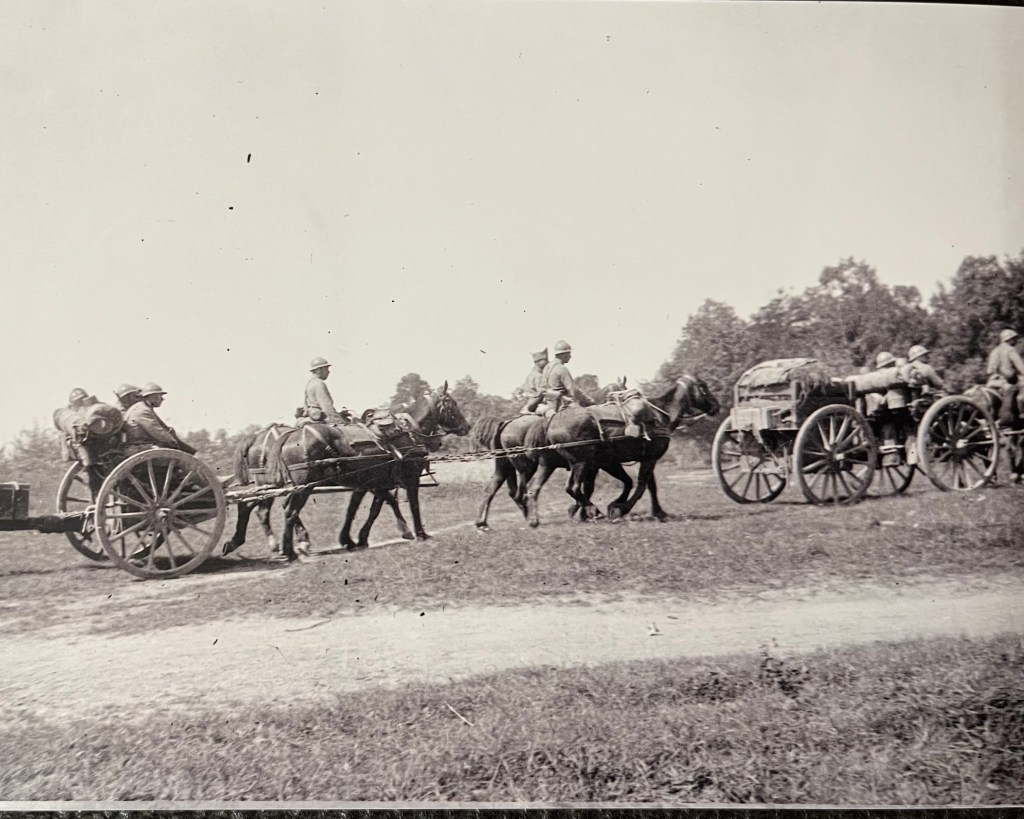
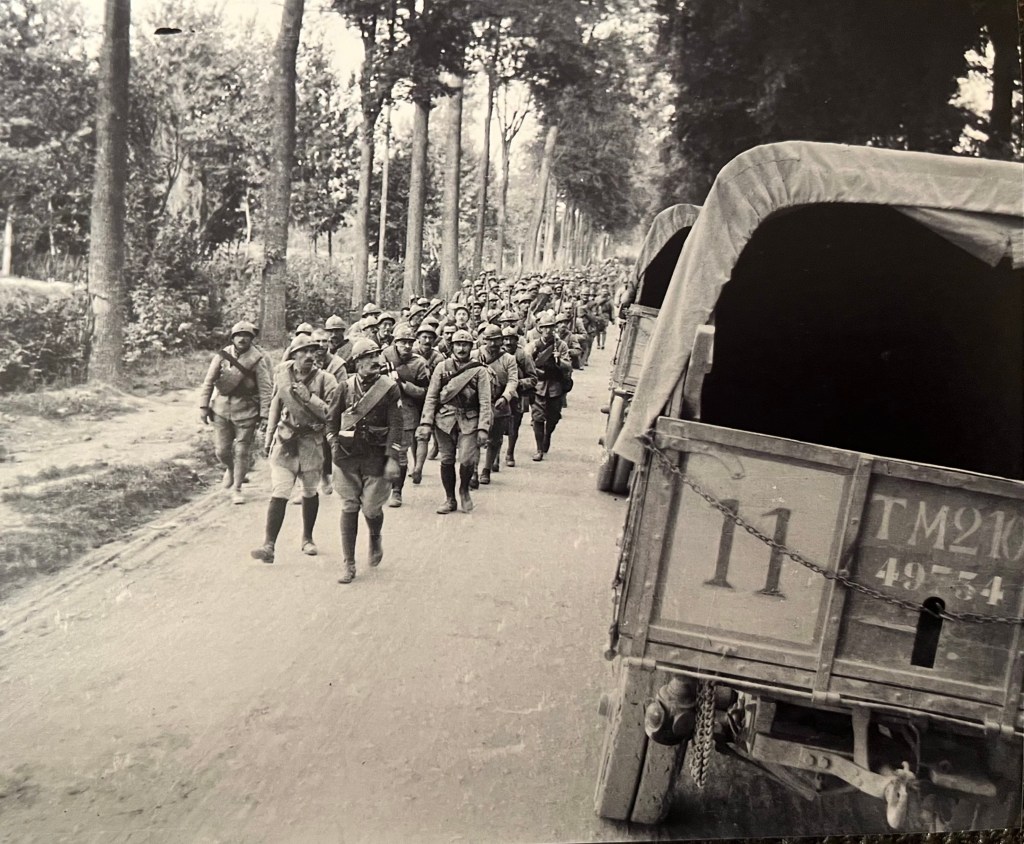
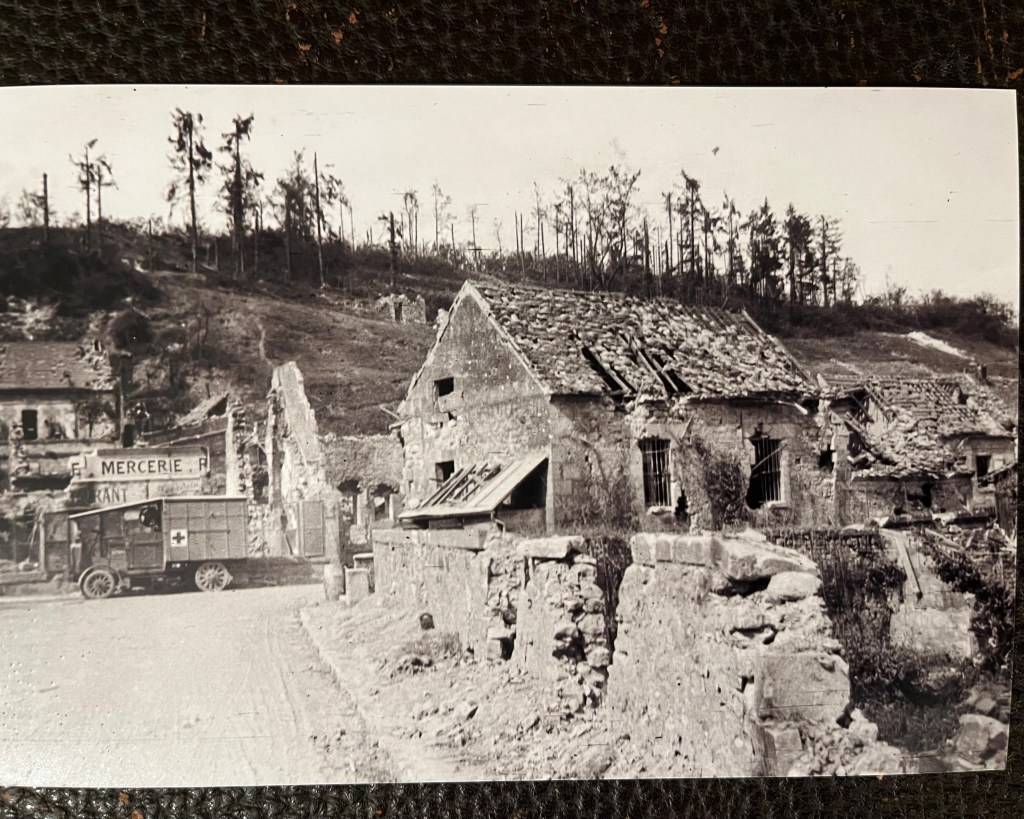
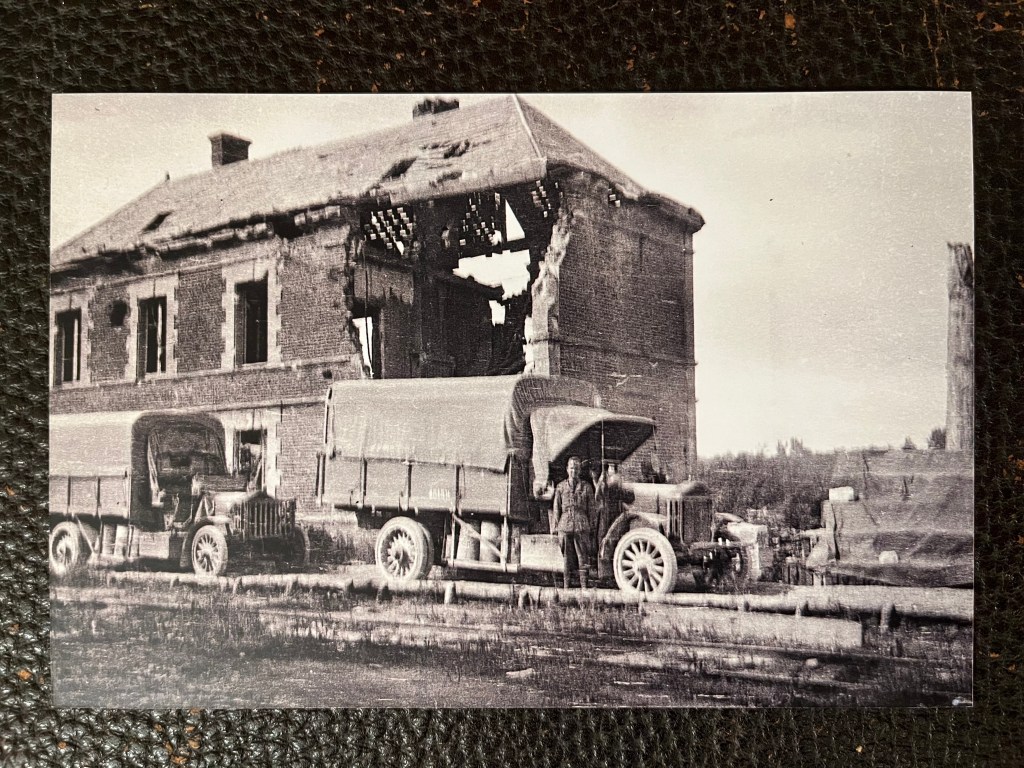
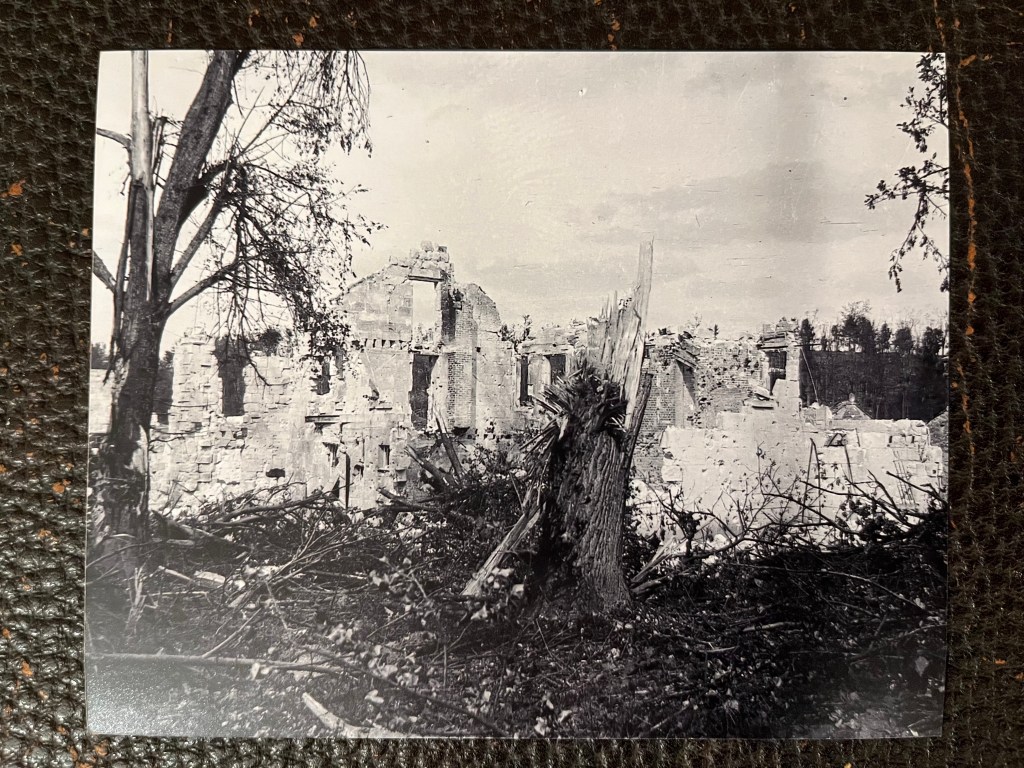
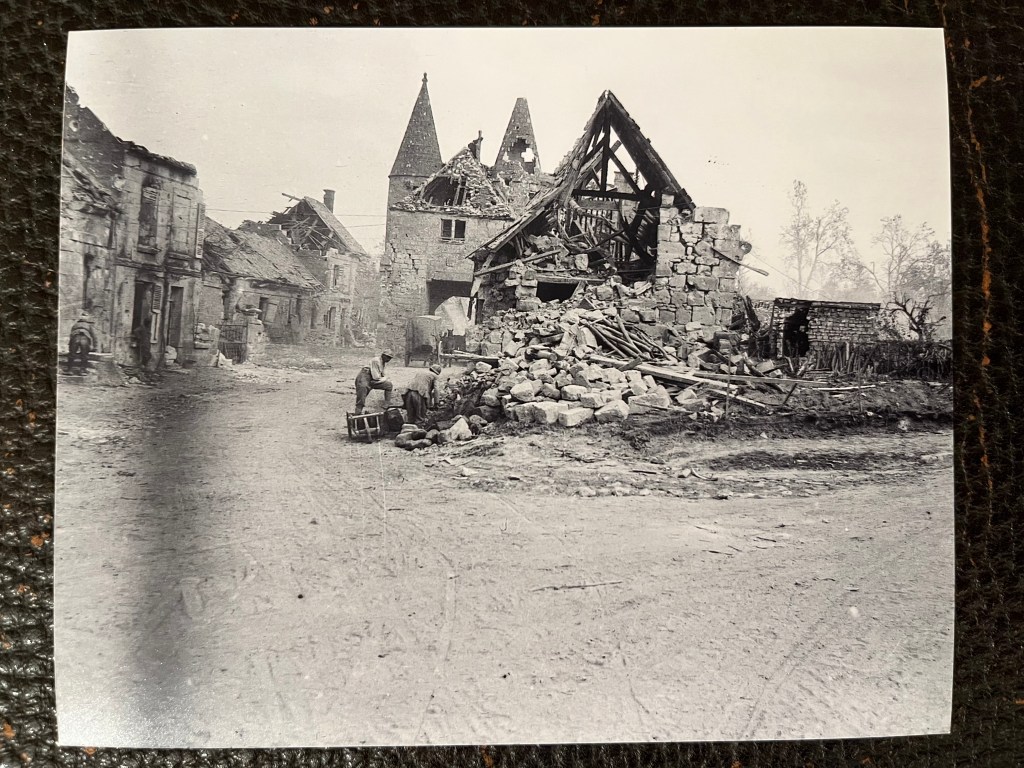
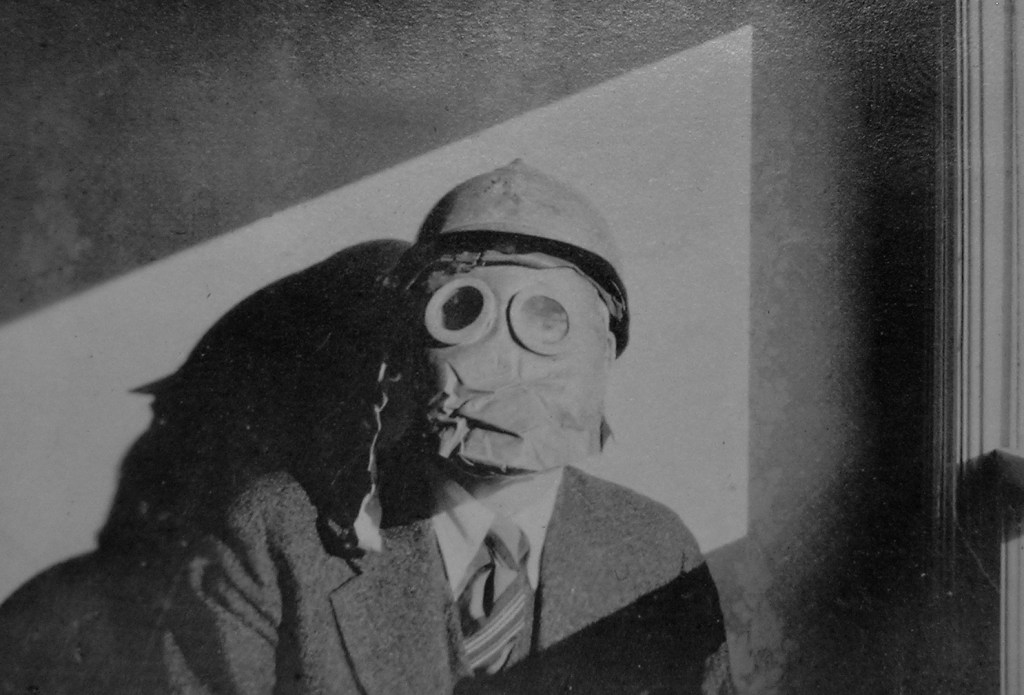
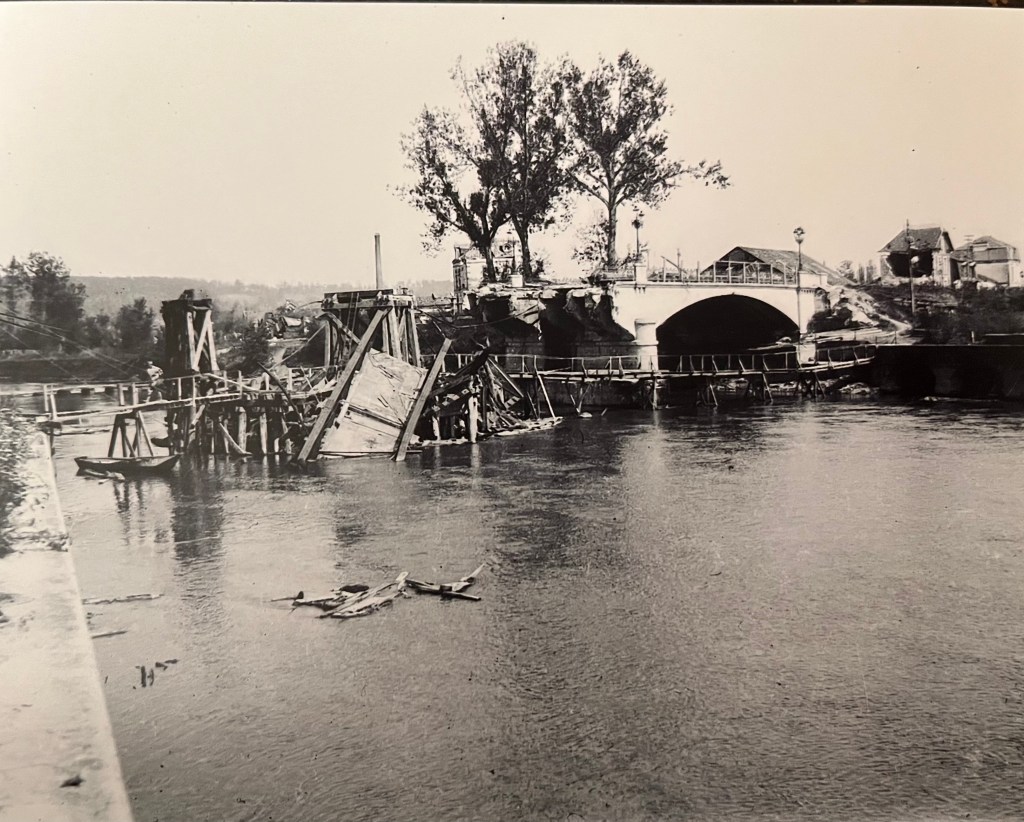
But I have been sitting on this wonderful cache of unpublished, World War I photos, and I want to share more of them. They aren’t press photos; rather, they are a record of the personal experience of a young man so moved by the urgency of the day that he volunteered before his age group was drafted.
I find these photos remarkable. I hope you will, too. If you recognize something, please let me know in the comments below.
(All rights reserved–Do not publish without permission.)
Swift Progression of Events, April 1917
“In our astonishment at each day’s news, we can hardly recollect what happened yesterday. In the unfailing surprises, in the everchanging conditions that confront us from the pages of the morning paper, we are at a loss to account for our expectations and our thoughts the night before.” Boston Globe, 1 April 1917
President Wilson to Congress, April 3
“There is one choice we cannot make, we are incapable of making. We will not choose the path of submission and suffer the most sacred rights of our nation and our people to be ignored or violated. The wrongs against which we now array ourselves are not common wrongs; they cut to the very roots of human life…
United in Democracy
“Old men and young, rich and poor, conservative and radical, pacifist and militarist, native and foreign born are all united to the standard of democracy which has been raised on high before the world… a program to which no man with American principles at his heart can hesitate to pledge his unstinted support.” Boston Globe, 4 April 1917
The Business of Neutrality is Over
“There are two kinds of warfare–one for selfish interests, the other for rights that benefit all mankind, and if not defended will be lost.” Boston Globe, 8 April 1917
“The spirit which is arousing our people in this momentous hour is hatred of tyranny.” Boston Globe, 8 April 1917
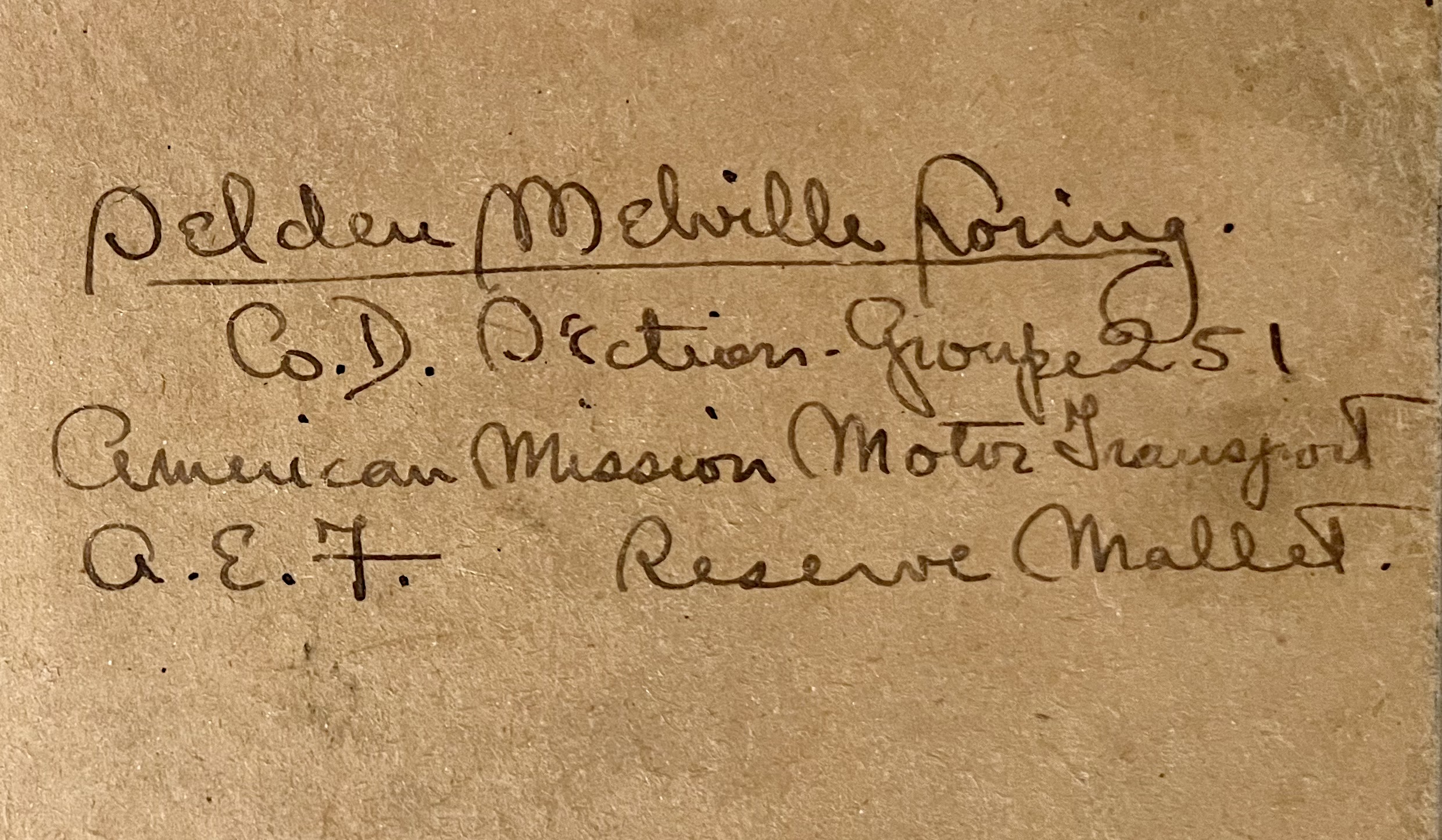
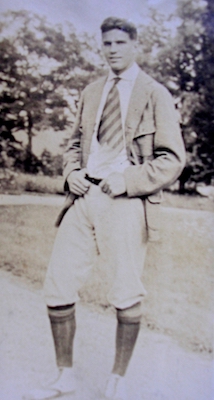
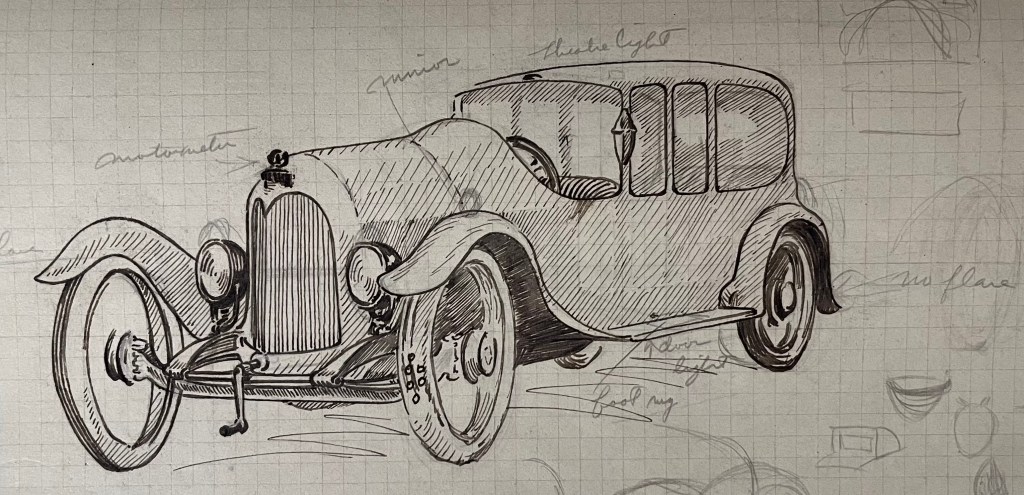
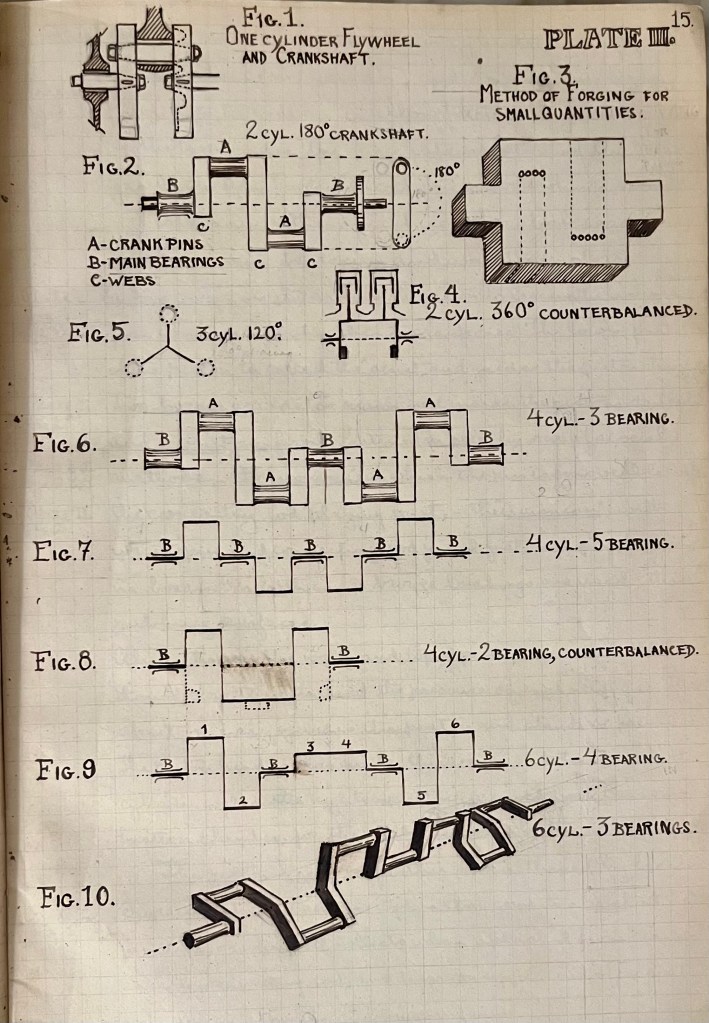
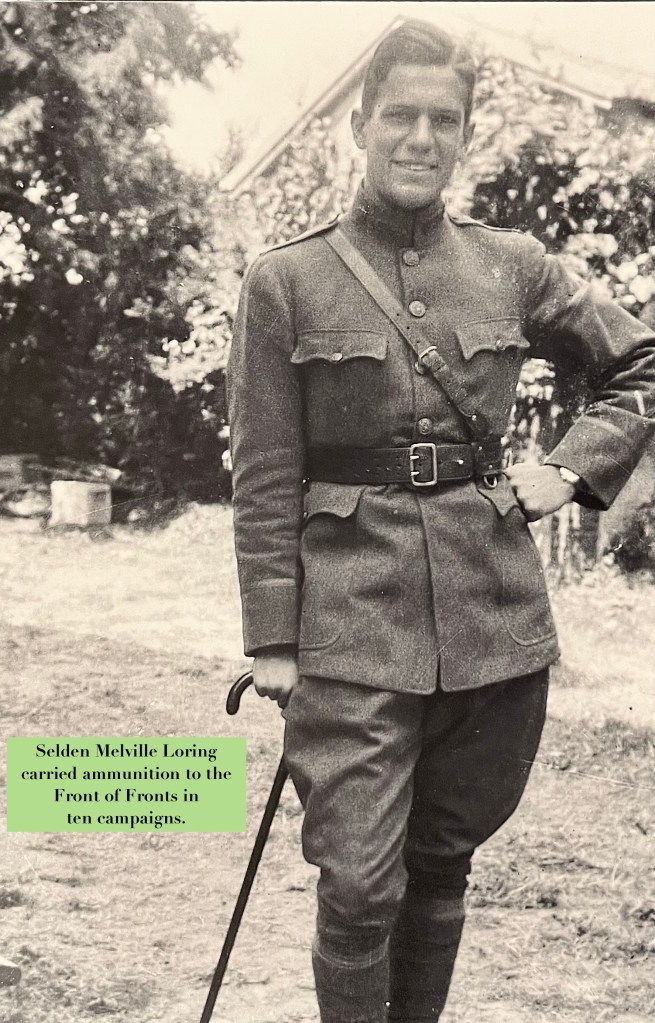
Selden Loring volunteered to go to France under the auspices of the French army. The original intent was to drive ambulances, but quickly, his job changed. Instead, he drove camions loaded with ammunition all the way to the front of fronts in ten campaigns.
There were no service stations in the field; he had to learn every inch of his vehicle and how to make repairs on the fly. His drawing skills served him well; the highly detailed illustrations he made in training were as good as a service manual.

Peril
“Loaded with many times their weight, they followed nose-to-tail, engine noise camouflaged by the rumbles, bursts, and explosions of German guns, their movements disguised by burlap-draped barbed wire left behind by the Germans.” Happy Landings
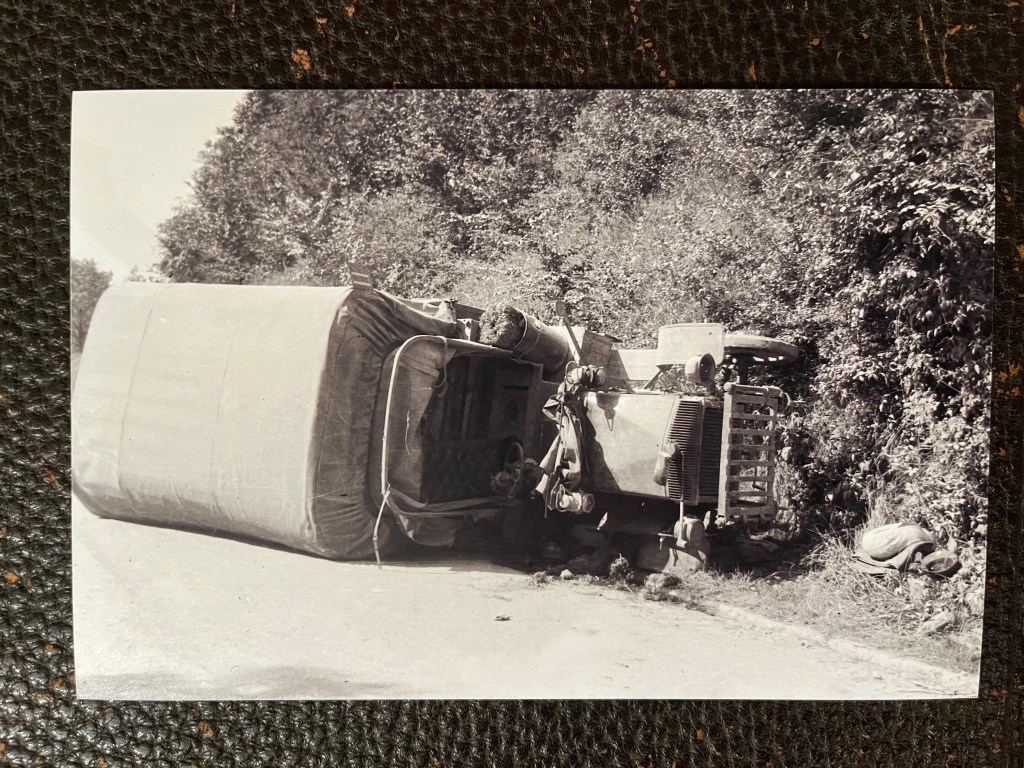
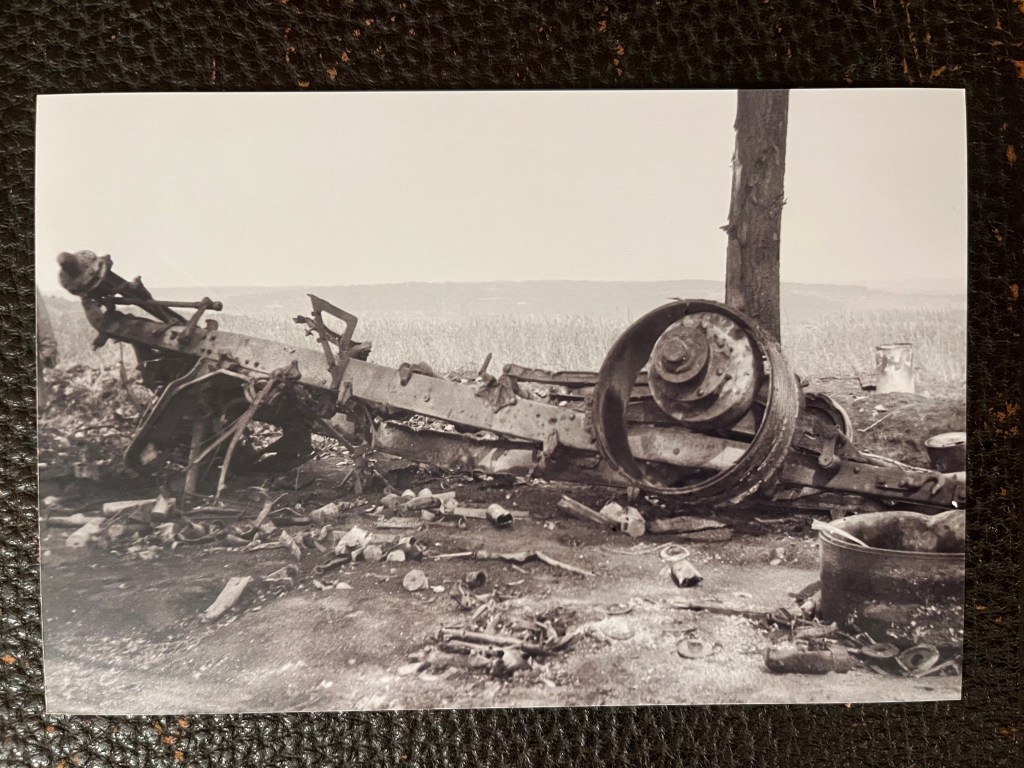
Selden wrote, “Having been blessed with orchestra seats for the whole show, I have been forced to observe at close quarters most of the methods of modern warfare and have been included in nearly all the offensives both Allied and German.”
Laid to Waste
Artillery
“By the way, speaking of guns, I wish Inky could hear a big shell when they are strafing a town. He could use it in a war sketch or play and get great suspense. They come starting way off with a high whistle and toning down to a swish with a little pause and complete silence before the crash. You can’t tell whether it’s going to hit near at hand or quite a way off. The little pause before the explosion is the most nerve-wracking time imaginable.” (Seldon M. Loring, in a letter to home)
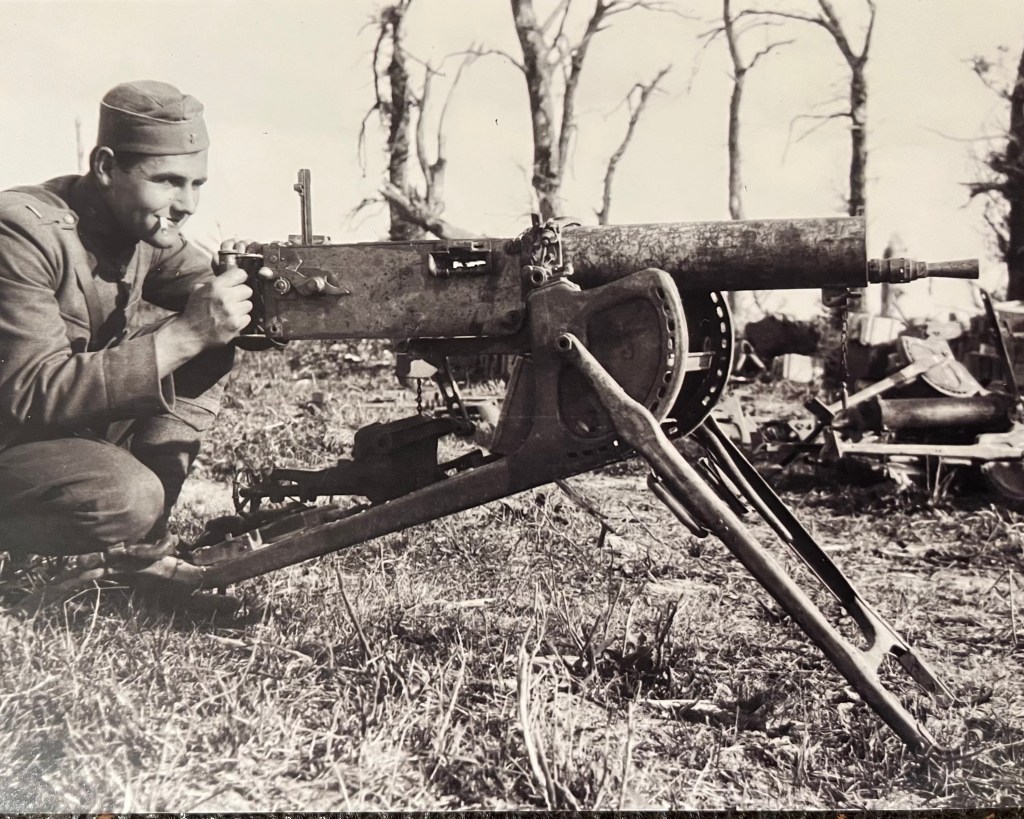
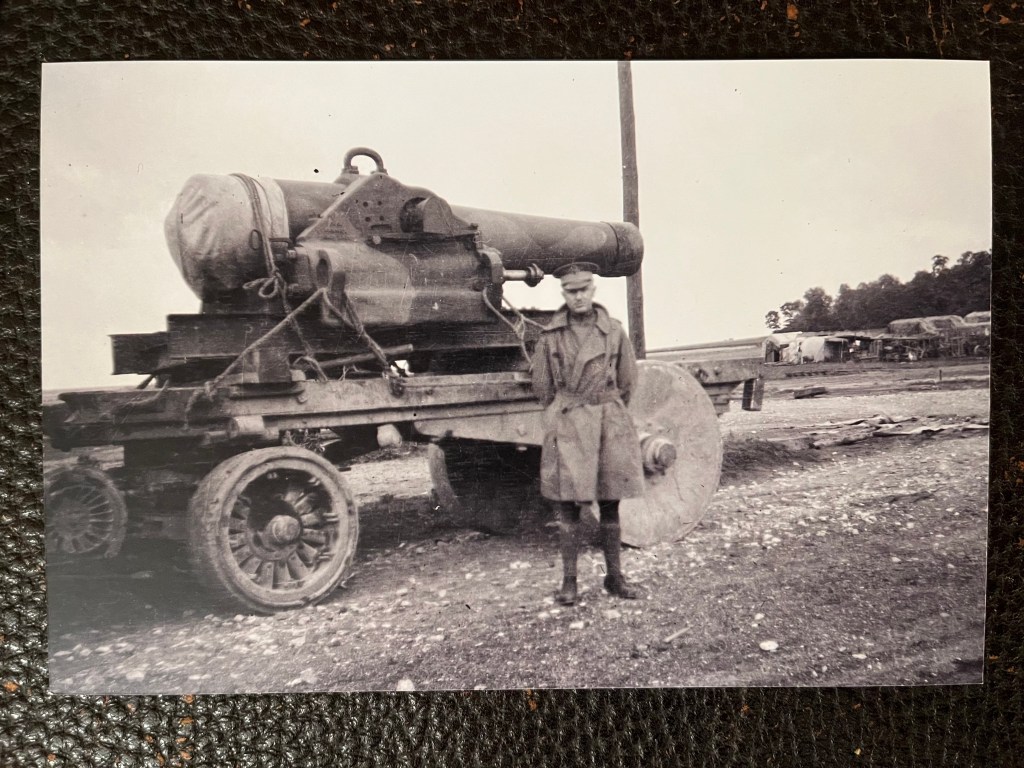
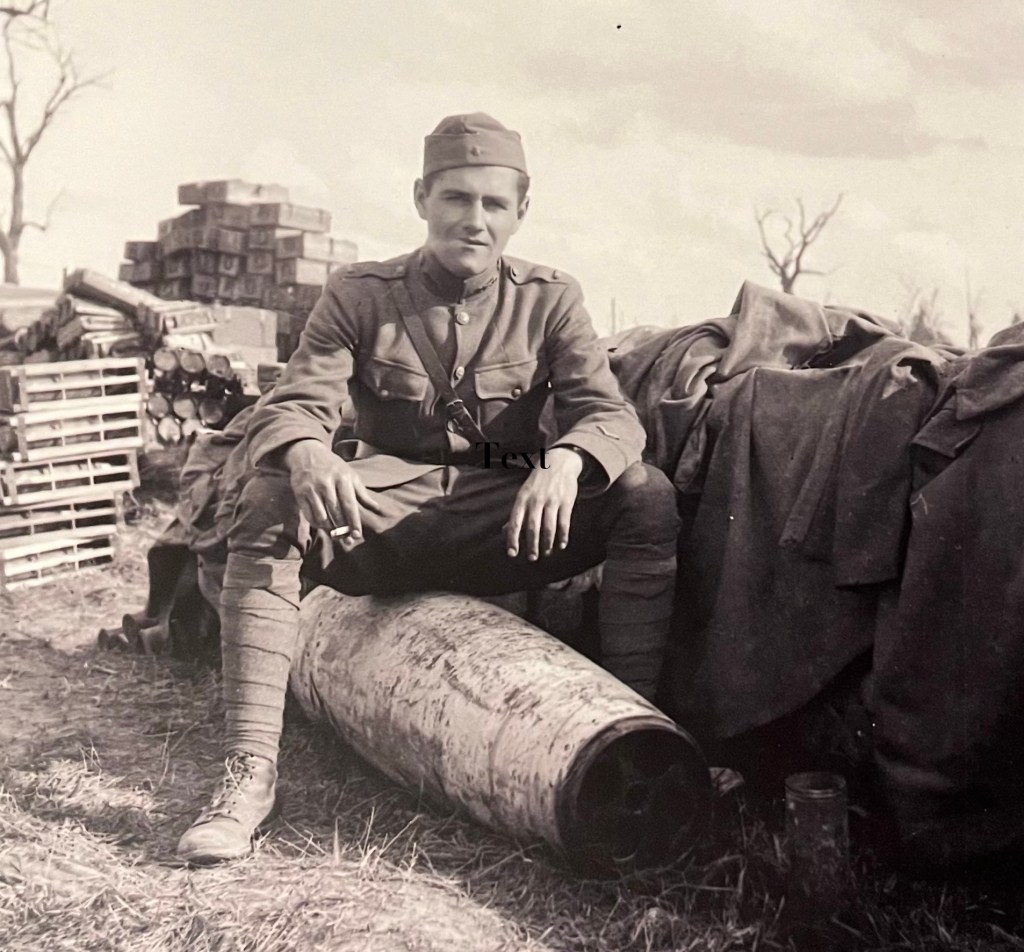
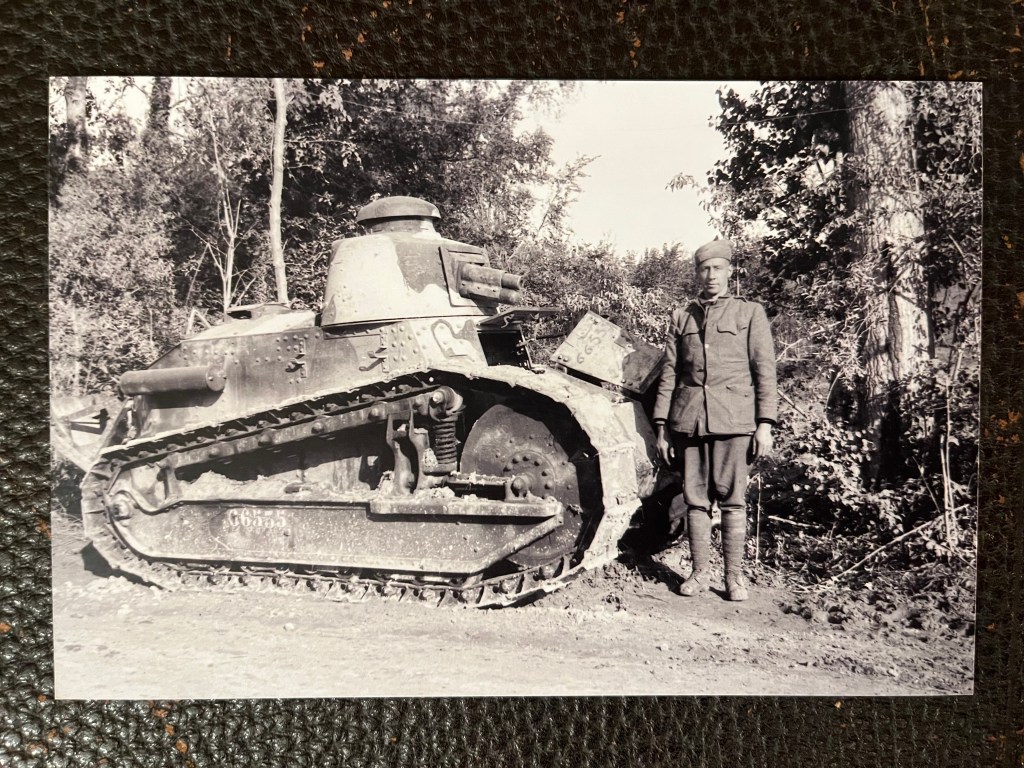
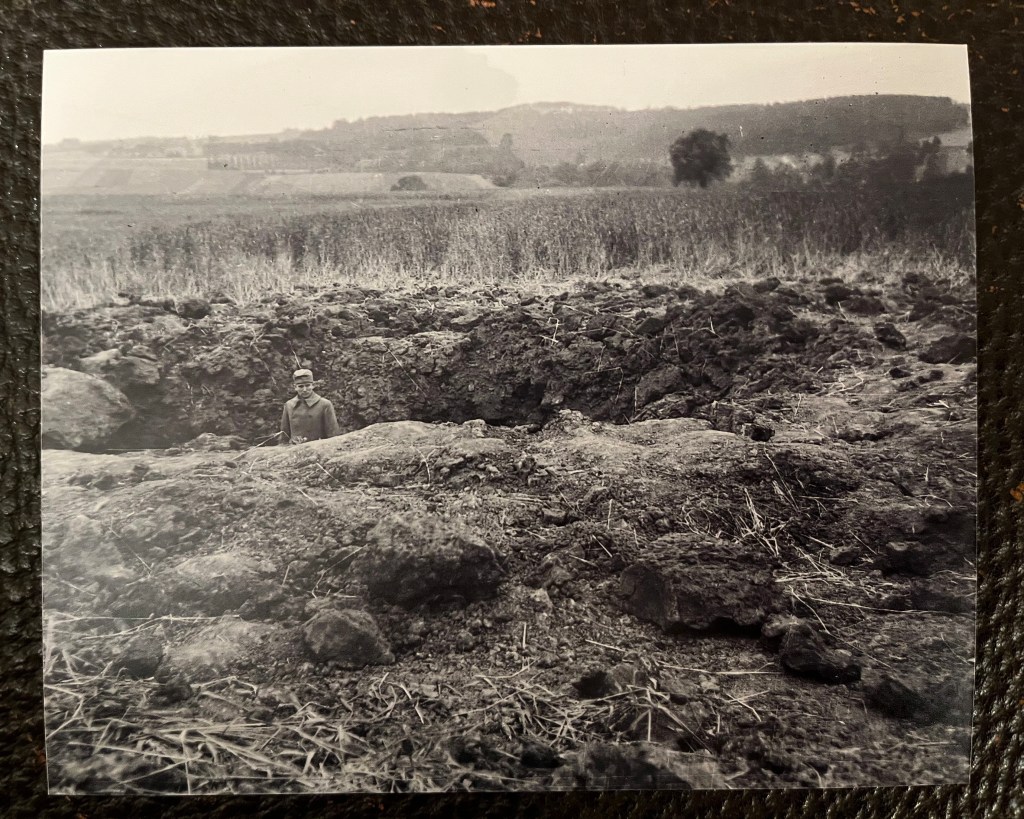
Destruction
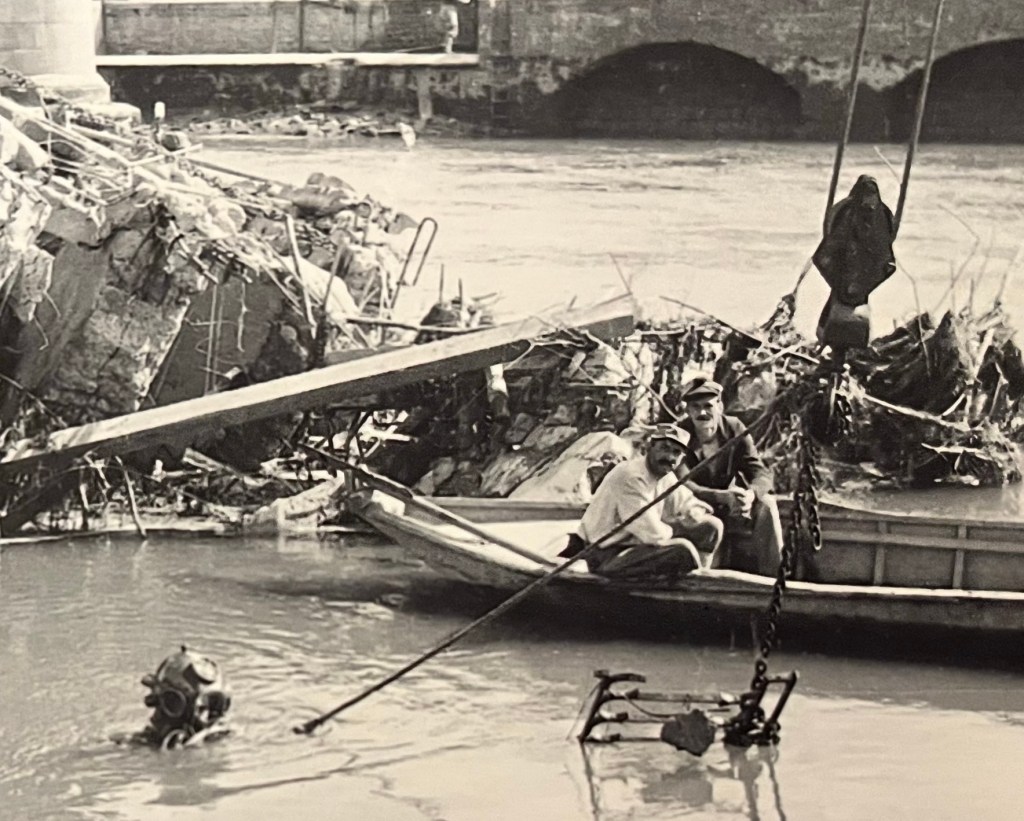
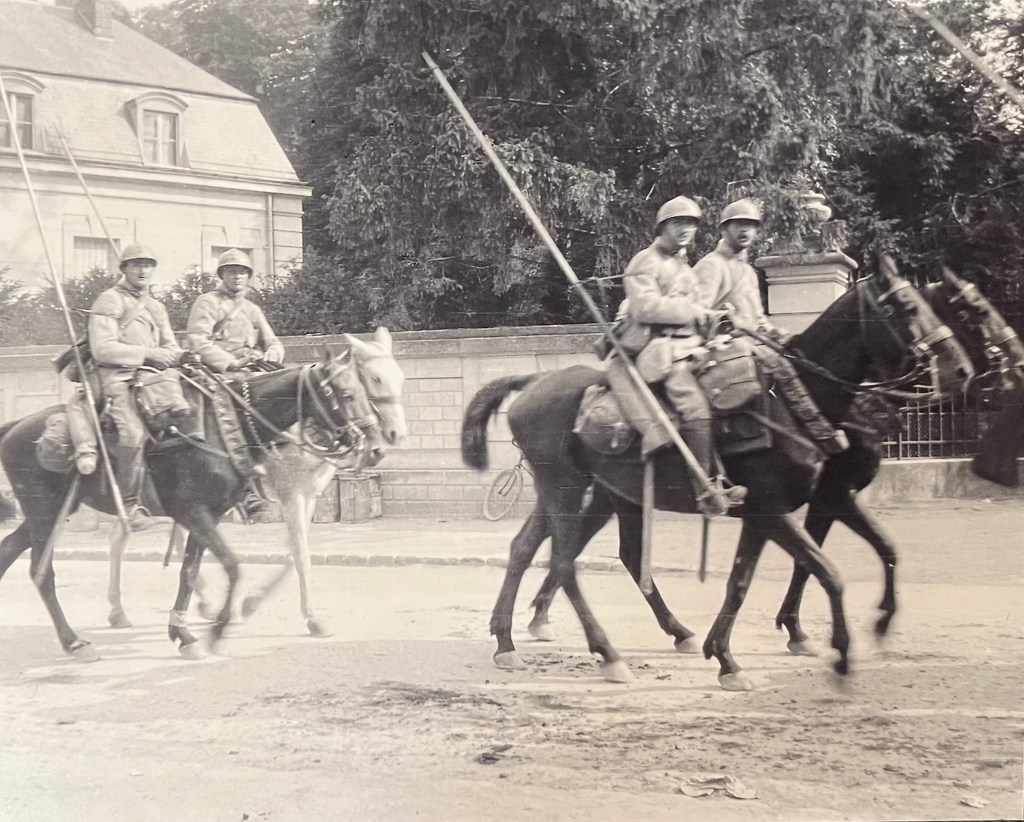
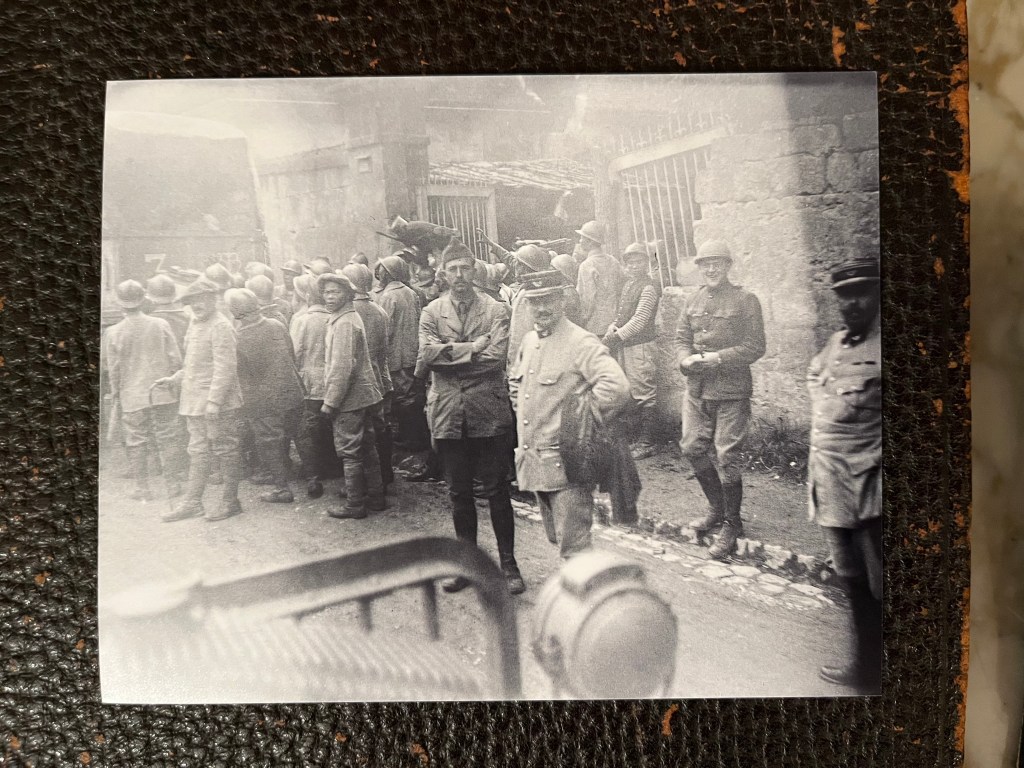
Daily Life
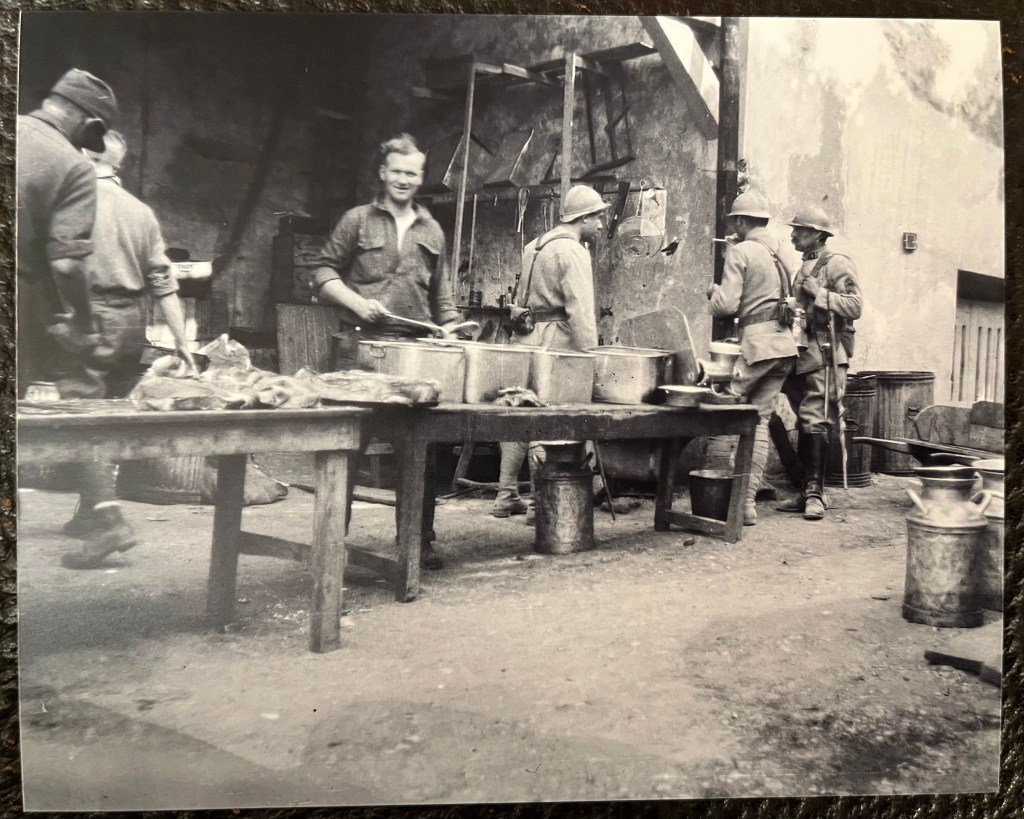
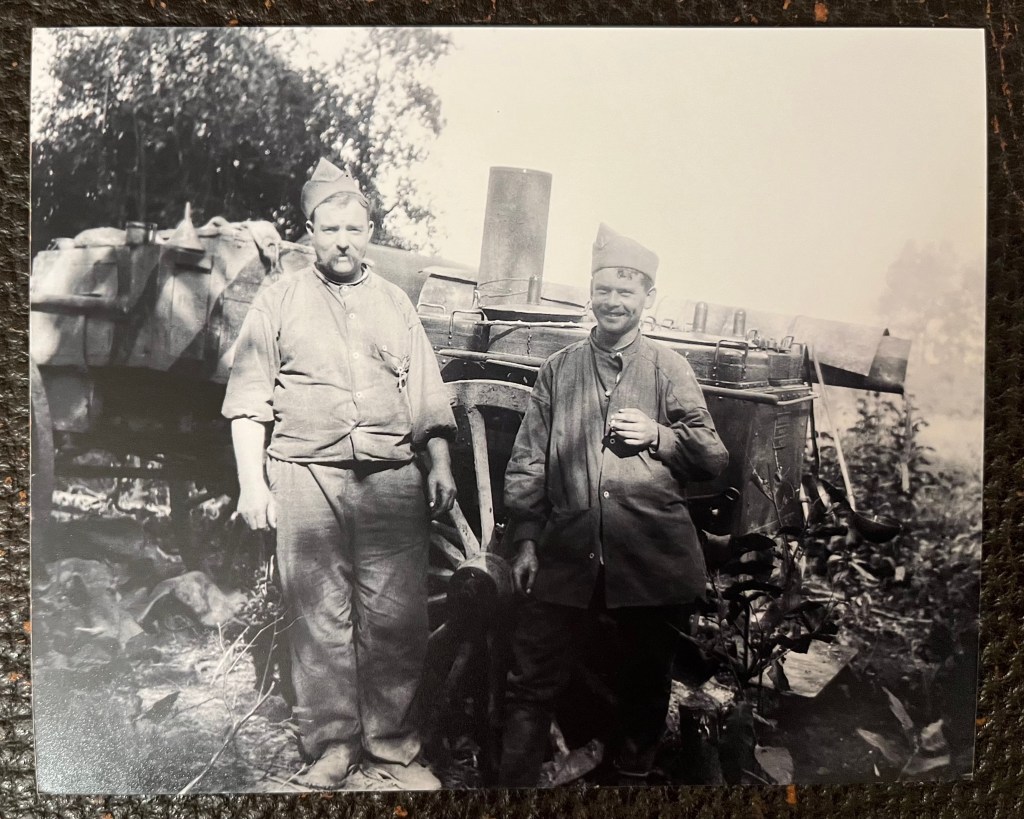
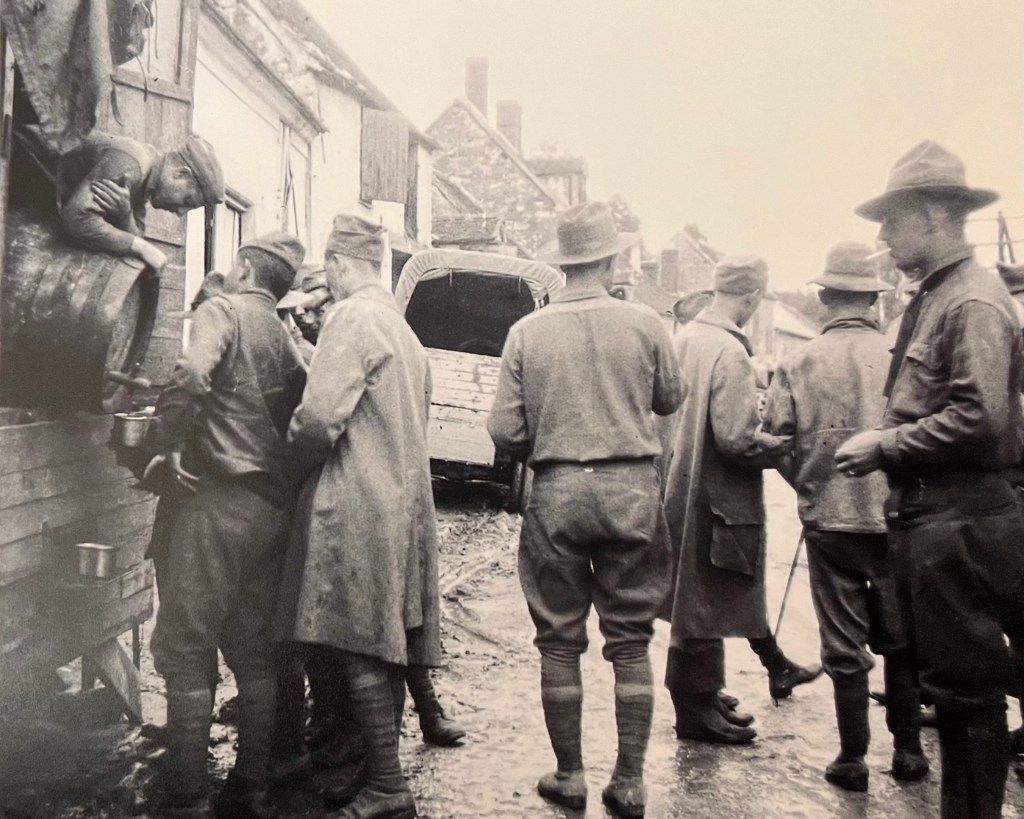
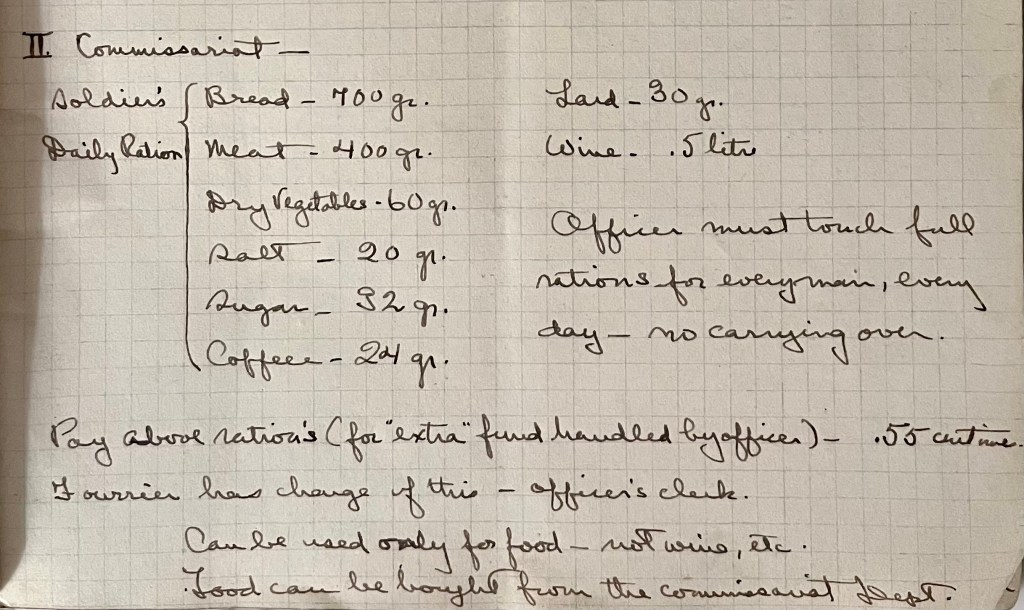
Away from the Front
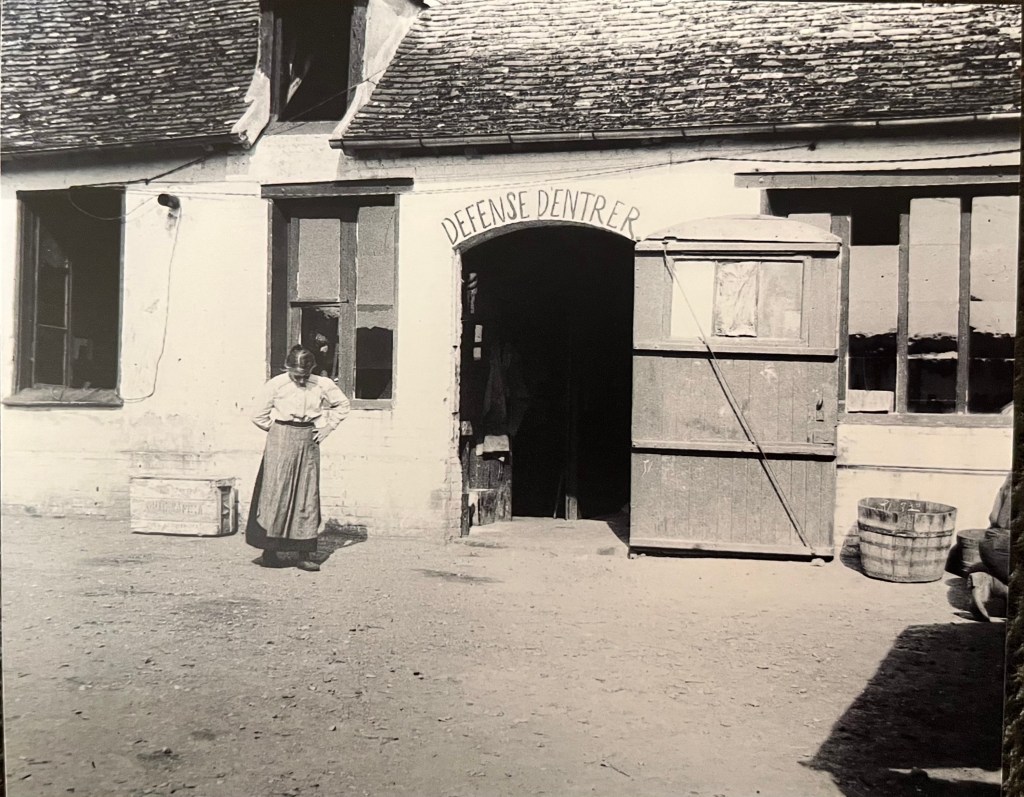
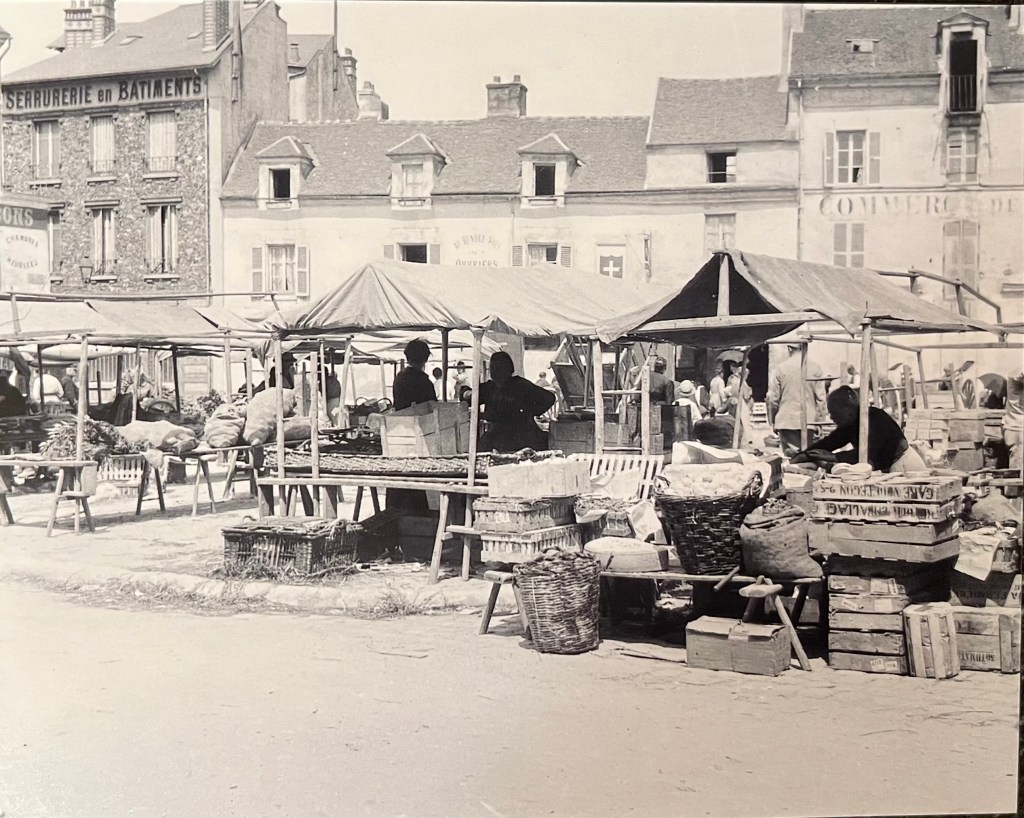
On leave away from the front, Selden photographed undamaged scenes.
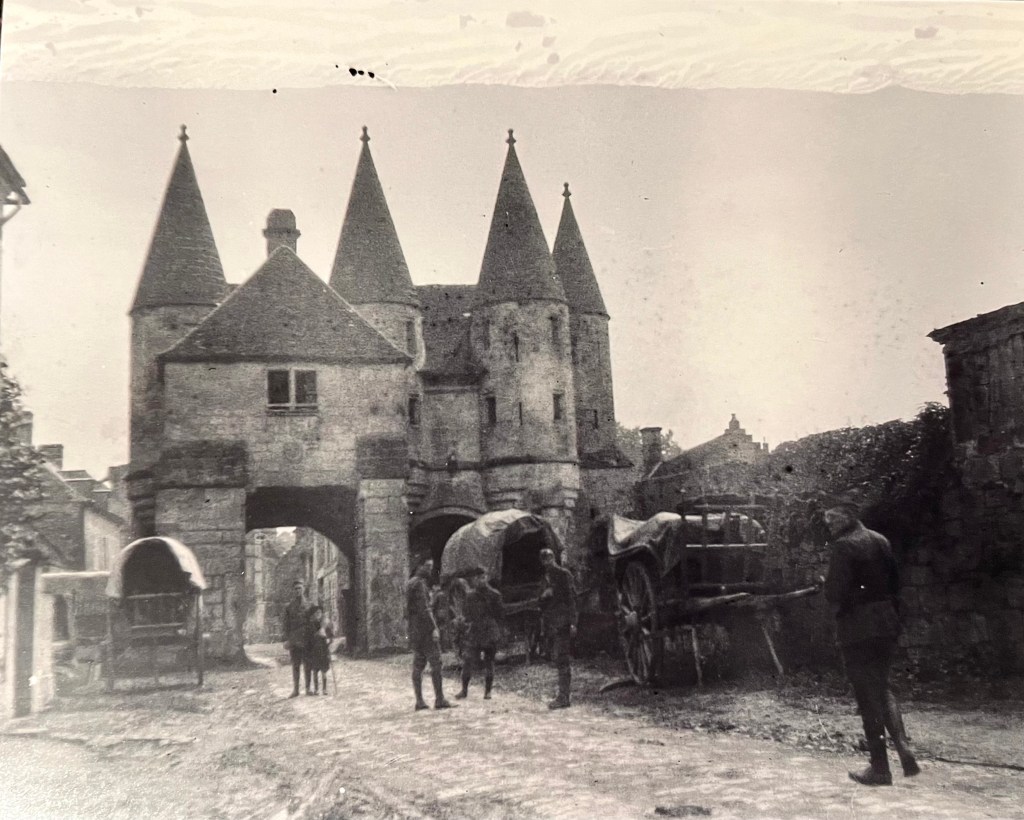
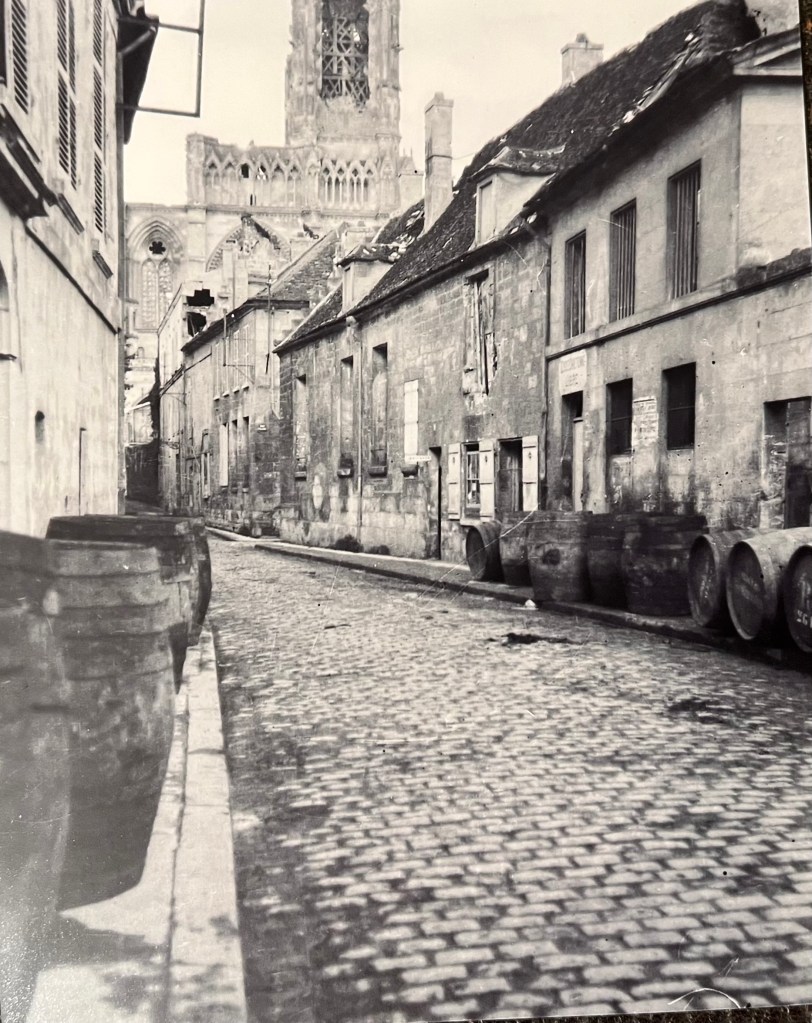
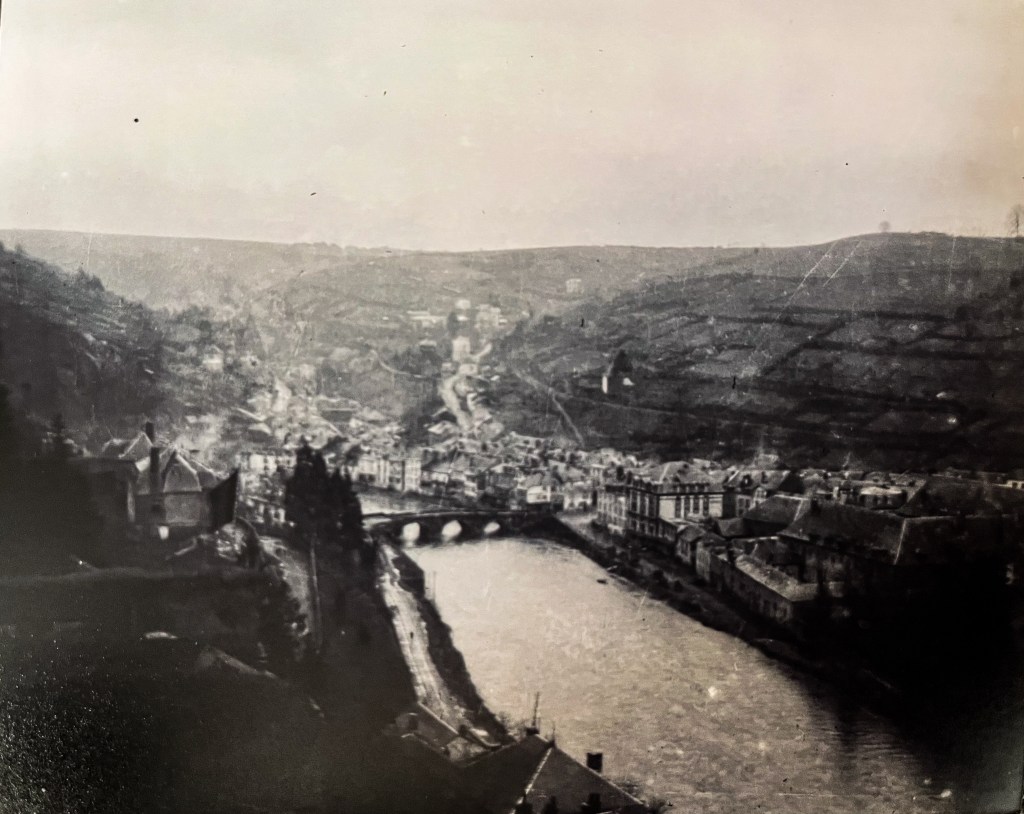
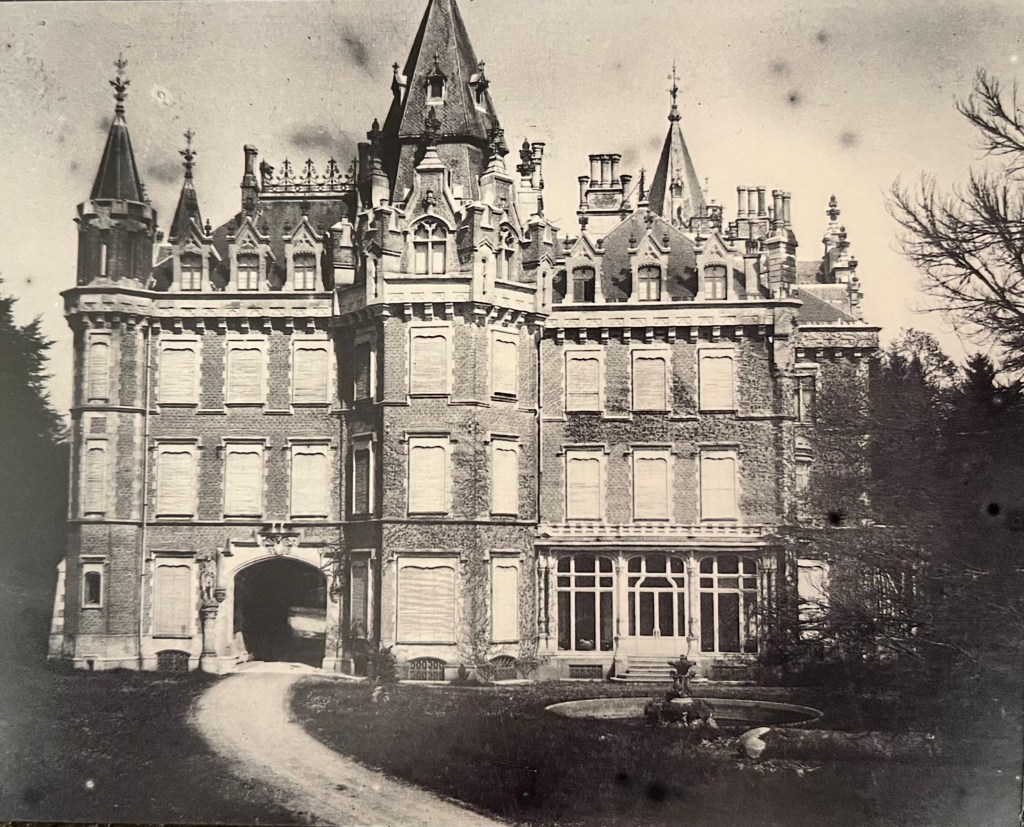
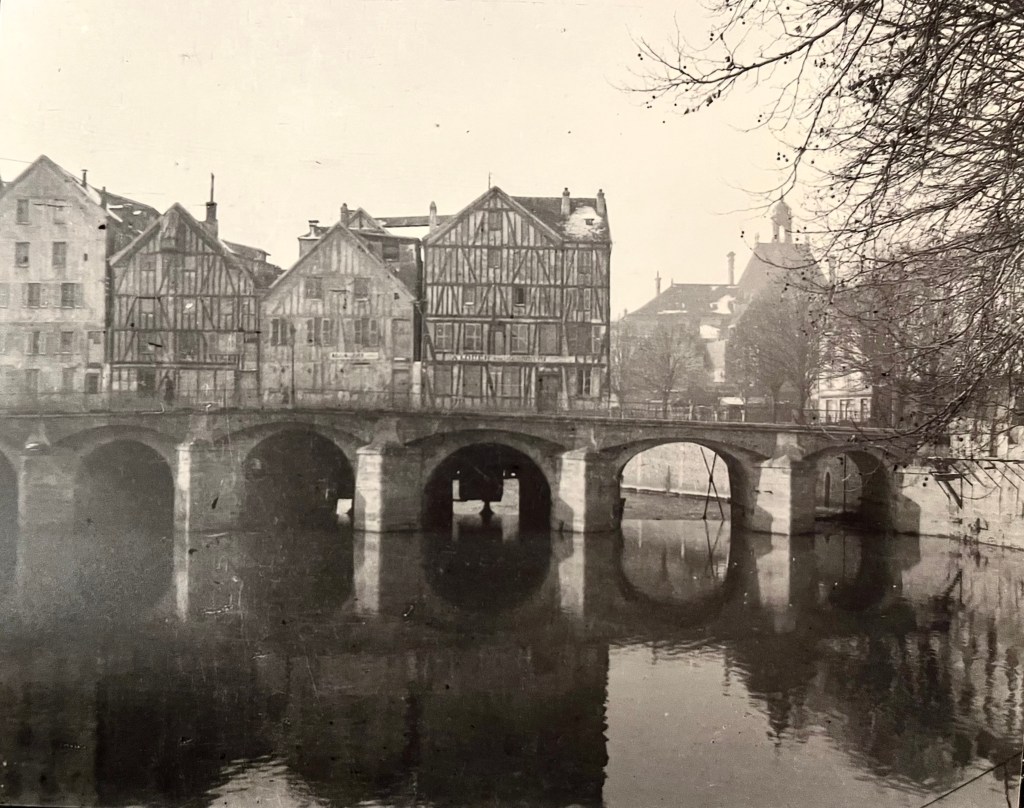
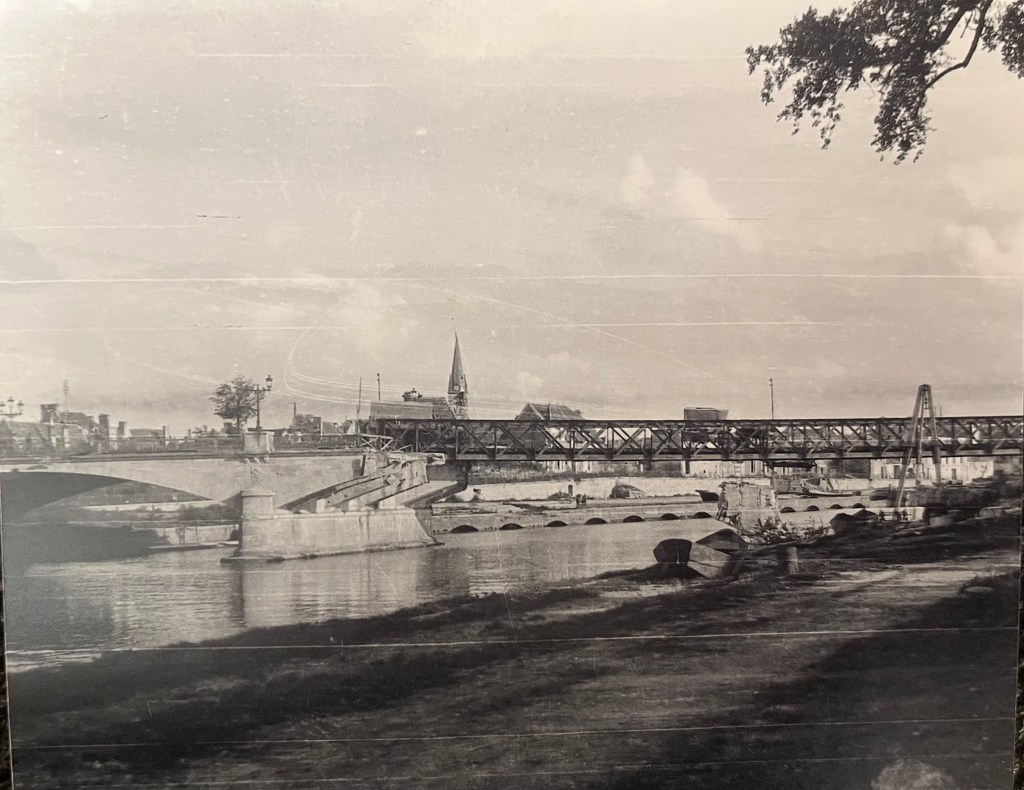
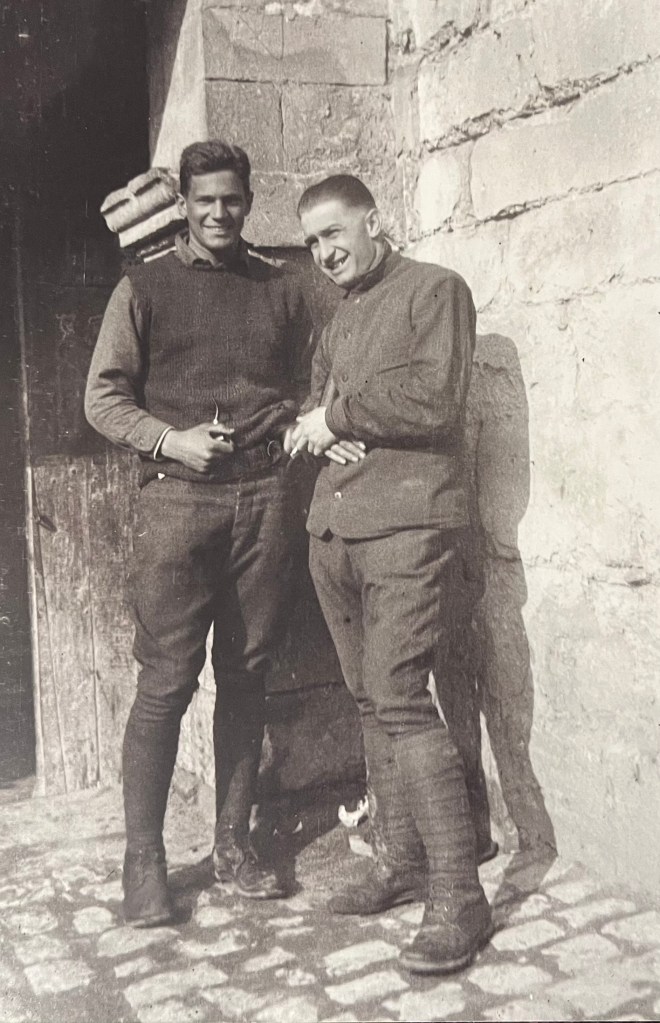
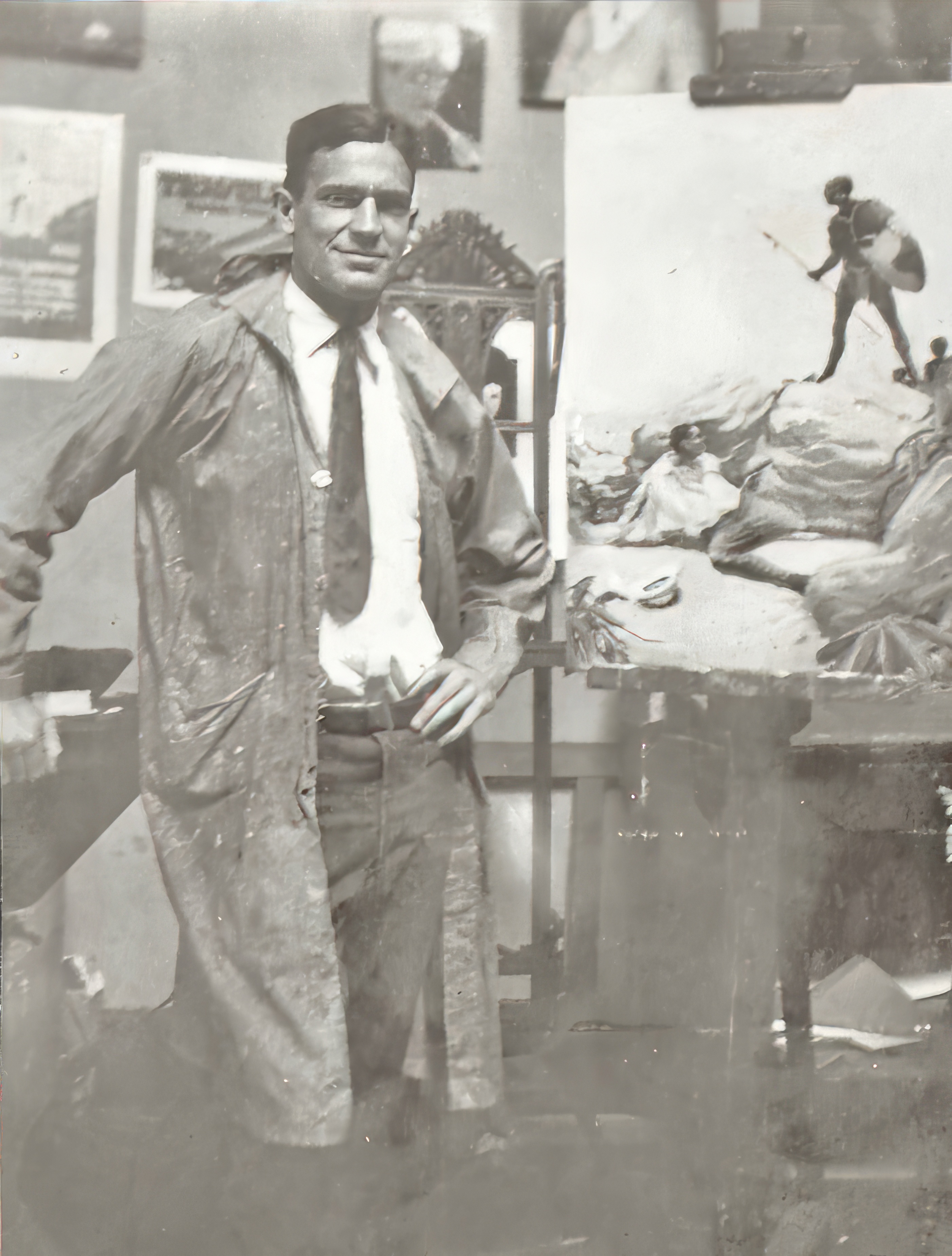
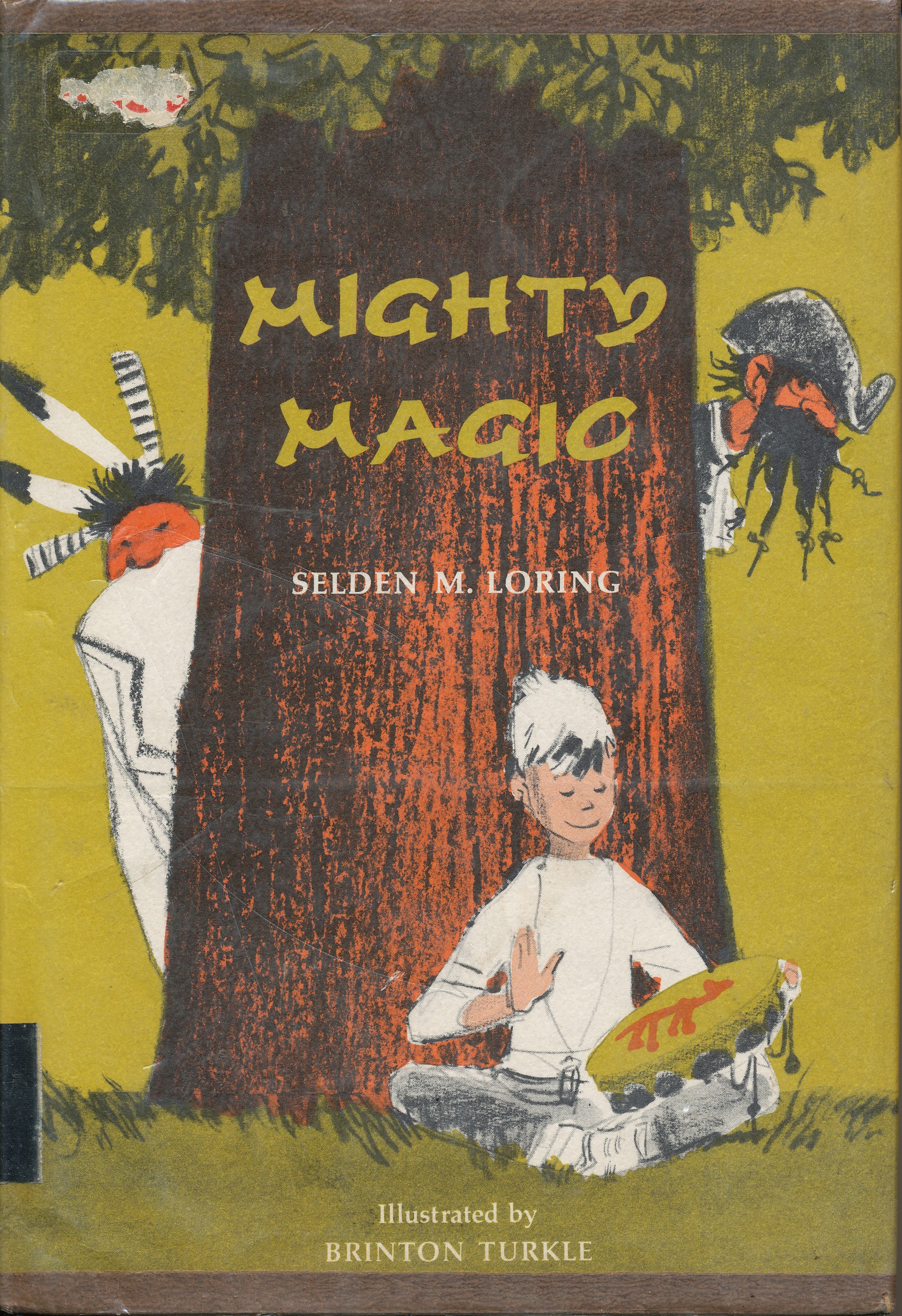
Selden returned safely after nearly two years abroad. He worked as a commercial artist and wrote stories and adventure books for young people. You would never have guessed all that he had seen.
 The Emilie Loring Collection
Patti, What incredible, amazing photos of WWI. Such bravery!
LikeLiked by 1 person
All taken by your grandfather! I try to remember that we’re always looking through the photographer’s eyes, seeing not only another place and time but also the CHOICE of the photographer—to frame exactly this picture, to choose this place, this time. We come as near as we can to experiencing World War I, behind the battle lines, with him.
LikeLike
These photos are remarkable! Selden Loring was as gifted as he was honorable. Thank you for sharing these.
LikeLiked by 1 person
Thanks, Patti! This was some gre
LikeLiked by 1 person
amazing photos — and drawings!
LikeLiked by 1 person
These pictures are amazing! So much more personal than the standard news pictures or posed shots. I’d like to see more!
LikeLiked by 1 person
These are amazing photos! So clear and detailed. It’s clear they’ve been lovingly preserved. Selden Loring was a handsome young man! Glad he survived the horrors of WWI.
LikeLiked by 1 person
Wow Patti these are amazing photos. Thanks for sharing them
LikeLiked by 1 person
Neat photos. I cannot identify anything. The photos of wreckage in the villages and bridges called to mind a web site for a town called Sivry-sur-Meuse, which is near Verdun, the focal point of most battles in WW1. (One branch of mom ancestors came from Sivry; a branch of dad’s came from Metz, also in the vicinity of Verdun. These all arrived pre-1900. In fact some served in the US Civil War.)
This photo of a church & city hall destroyed looks similar to one you posted: http://luc.petitjean.free.fr/gallery/img.php?id_img=15
Wreckage of a church interior: http://luc.petitjean.free.fr/gallery/img.php?id_img=17
The web site calls the photos “post cards”. Indeed people wrote notes on them and mailed them. The photos range from early 1900s through WW1 era.
Seldon could have been in Sivry or Metz, given their nearness to Verdun. You have several photos definitely not Sivry, as you have labeled.
Happy Landings!
LikeLiked by 1 person
The cost of freedom is so very high! Thank you to all who have served in any war.
LikeLiked by 1 person