Every now and then, life sends an unexpected gift. This time, mine came in the form of an article written for the Boston Authors Club newsletter by one of its members, Scott B. Guthery. I would never have seen it but for the thoughtfulness of Ray Anthony Shepard, whom I know through our Boston Biographers Group.
So, I actually received two gifts: the writing and the sharing. The newsletter shared Emilie Loring with the BAC’s current members, and the sharing allows me to present the BAC article to you now.
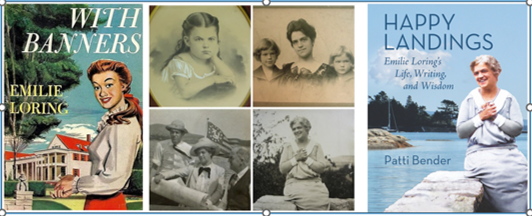
Emilie Loring, A Perennial Best Selling Novelist
by Scott B. Guthery
Emilie Baker Loring (1866-1951) was elected to the Boston Authors Club in May 1919. She was 53 years old at the time, but it was still early in her career as a prolific, best-selling novelist
Loring’s first two novels, For the Comfort of the Family: A Vacation Experiment (1914) and The Mother in the Home (1917), were published under the pen name Josephine Story. She adopted a pen name to maintain her privacy when she started writing book reviews and feature articles in the Boston Herald in 1911. Her reviews were cast as letters to a friend recommending books for different purposes: gifts for family members, making money at home, gardening, etc.
Both Loring’s father, George Melville Baker, and her grandfather, Albert Baker, were in the book trade, so it is not unexpected that Loring would consider writing as a career possibility. Both men were publishers and bookstore owners. George Baker worked at Lee & Shepard where he was responsible for producing the first American edition of Through the Looking Glass and What Alice Saw. While at Lee & Shepard, he added a new specialty to the firm’s catalog: children’s books.
From Emilie Loring’s perspective, the prospect of publishing under her own name and becoming a full-time author at a time when turning fifty typically marked the onset of old age was daunting. Loring turned to her friend Agnes Edwards Pratt (who wrote under the pen name Agnes Rothery) for advice. Pratt responded emphatically, “If you honestly want to write and think that you can, stop dreaming about it and go to work.” Her pragmatic recipe for success was simple, “Write two hours a day, and read two hours a day, and do it every single solitary day for three years, and then you will have made a start.” (Patti Bender, Happy Landings: Emilie Loring’s Life, Writing, and Wisdom, p. 210)
Perhaps it was following this advice, combined with her BAC membership, that inspired Loring to begin using her own name for future novels. Joining the BAC certainly coincided with an enduring burst of productivity. Starting in 1922, Loring wrote and published a novel every year, attracting a large and loyal readership. The thirty novels she authored in this period had sold over a million copies at the time of her death. Her re-issued novels are still in print (and selling briskly) today.
We know about how Loring’s BAC activities paralleled her successful literary career thanks to Patti Bender’s marvelous biography of Loring, Happy Landings: Emilie Loring’s Life, Writing, and Wisdom (City Point Press, 2023). Bender made extensive use of the Boston Authors Club archives at the BPL while doing research for the book. In fact, Chapter 20 in Happy Landings is titled simply “Boston Authors Club.” Here and in the following chapters, Bender documents the importance of the BAC to Loring as a source of friendship, fun, and literary identity. Her official roles in the Club included serving on the Prose Committee and chairing the Club-Room Committee. The BAC Club Room in that era was located at 8 Newbury Street and as the chair Loring was responsible for organizing regular social events and meetings. On at least one occasion, she hosted an elaborate tea party for over 100 BAC members at her house in Wellesley Hills.
Quoting from the March 1951 BAC newsletter, Bender notes that, “From [the time she joined] …no Club meeting seemed important unless she (Loring) was sitting near the front of the room with her two intimate friends, Clara Endicott Sears and Sara Ware Bassett.” We’ll save the story of this trio for a possible future column.
Today’s booksellers characterize Emilie Loring’s novels as “classic, heart-warming romances” and Loring as “one of the most iconic romance authors of all time.” If this doesn’t conjure up memories from days of reading past, November’s celebration of novel-writing might be a good time to become more familiar with her work.
You can explore more details about Loring’s life and her many novels at Patti Bender’s Emilie Loring Collection website, which includes a blog, book excerpts, and links to Loring-related events: https://pattibender.com/
Emilie Baker Loring’s papers are housed in the special collections of Boston University.
Boston Authors Club Newsletter, November 2023

“The Boston Authors Club is organized to further literary purposes and to promote community, discourse and fellowship among authors.” You can learn more about them at bostonauthorsclub.org.
The Boston Authors Club. Defending books in the age of distraction.
BAC website
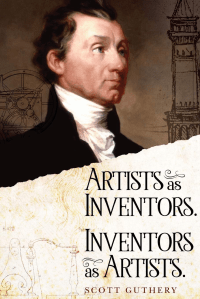
Scott B. Guthery is a Ph.D. statistician and serves currently as editor, publisher, and author at Docent Press in Boston which publishes “original books focused on the history of technology and mathematics.”
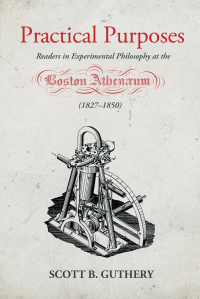

Ray Anthony Shepard is an award-winning biographer for young readers, His stories “celebrate this country’s progress toward a more perfect union.”
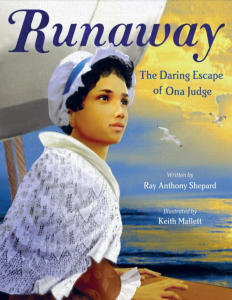
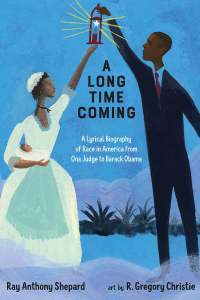
I love Ray Shepard’s children’s book, Runaway: The Daring Escape of Ona Judge. Ray’s lyrical poetry and beautiful illustrations by Keith Mallett tell this moving story in a way that stays with you. I recommend it to children and adults. I have just begun A Long Time Coming and already feel the power of Ray Shepard’s simple, poetic storytelling.
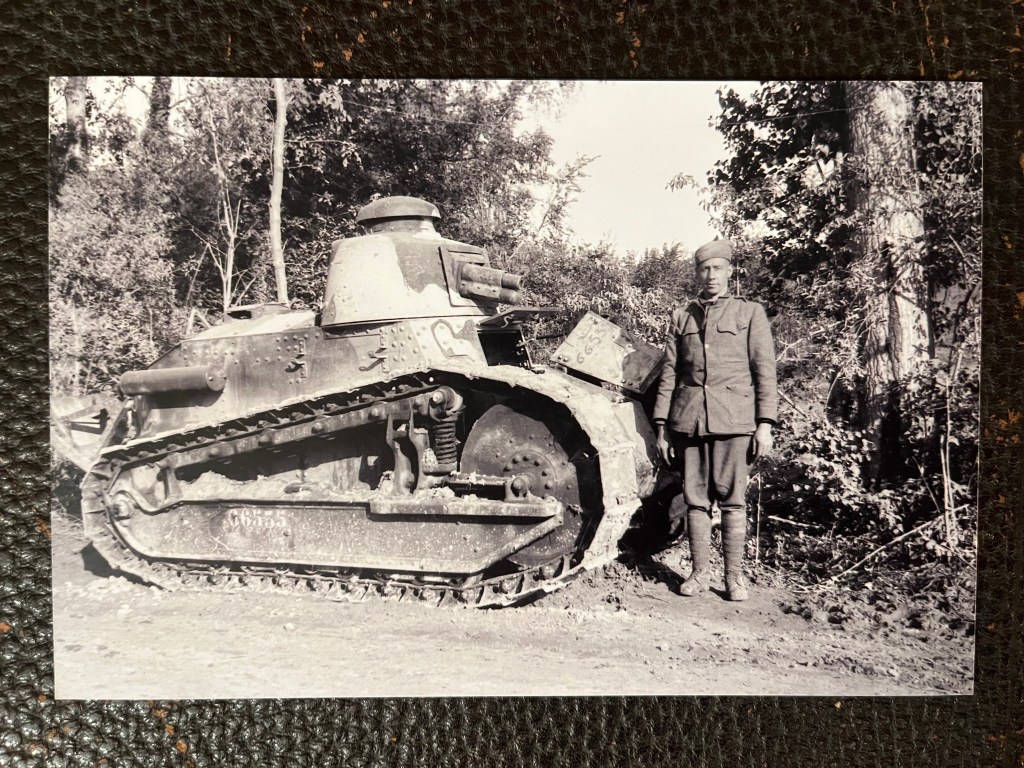
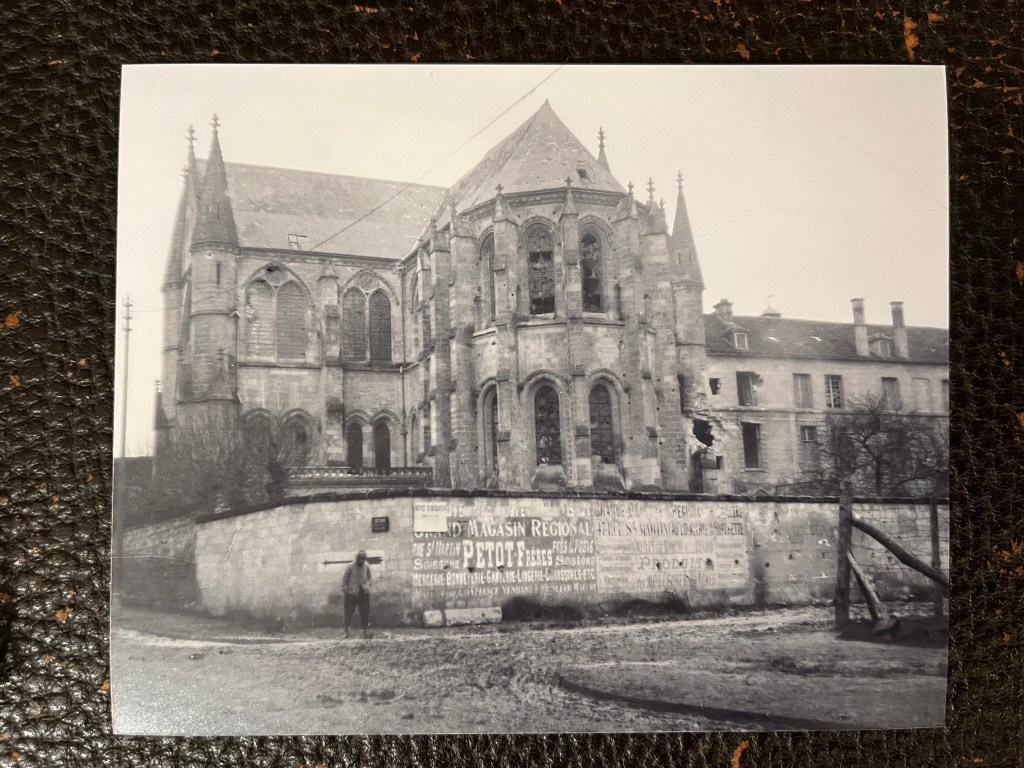
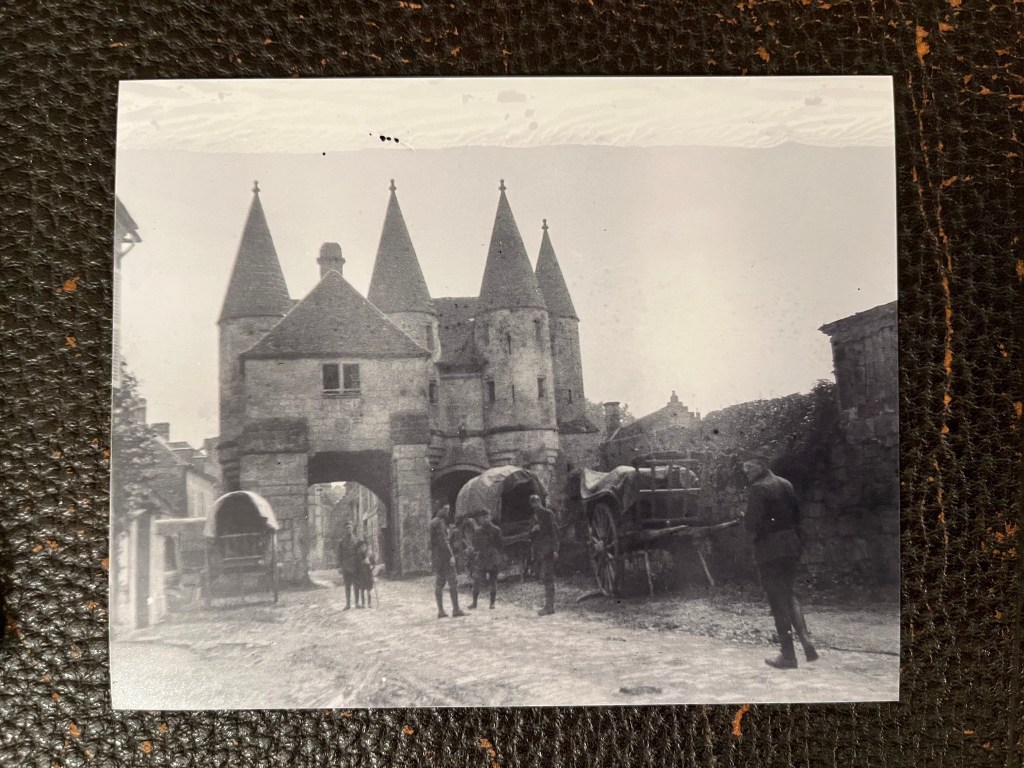
On November 16th, I’ll be in Edmond, Oklahoma to introduce Emilie Loring and Happy Landings to the Samuel King Chapter of the Daughters of the American Revolution. This gives me an opportunity to look more directly at two themes in Emilie’s books: history and patriotism. I’ve been sitting on some amazing photographs taken by Selden Loring during WWI, and this will be an opportunity to share them.
Until then, I’m channeling Terry in Fair Tomorrow as I manage multiple fronts: “Kick, frog, kick!”
“Remember that poem of Holman Day’s I came across the other day about the two frogs in a pail of milk? One gave up and was drowned, the other kicked till he churned an island of butter and hopped out.” He patted her shoulder. “Kick, frog, kick!” (Fair Tomorrow)
Here is the original:
THE TRUE STORY OF A KICKER
by Holman F. Day
from UP IN MAINE (Published 1907, Pages 87-88)

There lived two frogs, so I’ve been told,
In a quiet wayside pool;
And one of these frogs was a blamed bright frog,
But the other frog was a fool.

Now a farmer man with a big milk can
Was a wont to pass that way;
And he used to stop and add a drop
Of the aqua pure, they say.

And it chanced one more in the early dawn,
When the farmer’s sight was dim,
He scooped those frogs in the water he dipped,
-- Which same was a joke on him.

The fool frog sank in the swashing tank
As the farmer bumped to town.
But the smart frog flew like a tug-boat screw,
And he swore he’d not go down.

So he kicked and splashed and he slammed and thrashed,
And he kept on top through all;
And he churned that milk in first-class shape
In a great big butter ball.

Now when the milkman got to town,
And opened the can, there lay
The fool frog drowned; but, hale and sound,
The kicker he hopped away.

MORAL.
Don’t fret your life with needless strife,
Yet let this teaching stick:
You’ll find, old man, in the world’s big can
It sometimes pays to kick.

 The Emilie Loring Collection
This is a lovely article and, oddly enough, Ray is a friend of mine. I don’t remember if my father met him through the Boston Biographers Group and then we realized we all had season basketball tickets in the same section or if we met through basketball and he then invited my father to a BBG meeting when they began comparing research projects.
Anyway, it is a great compliment when people hear you speak and go on thinking about it, as Scott Guthery did!
Constance
LikeLiked by 1 person
Yes, I was so surprised and pleased! Who is your father? I wasn’t aware of your connection to the BBG.
LikeLike
Dear Patti,
Well deserved gifts as they show the impact of Emilie Loring’ writings on audiences and how they have endured through time. It is because they carry a universal theme of positivity and acceptance of life’s challenges. As I navigate through my loss, I find comfort and wisdom in the words of Emilie Loring and through her characters who face all odds and then emerged successful and triumphant in the end. It is so uplifting with a chaotic world around us and they went through that too. Thanks for sharing the article and discussing it with us. Love, Raqui
LikeLike
Congratulations on the write-up! Best wishes on your travels and book talks. Happy Landings!
LikeLike
Aloha! Thank you for continuing to share your journey with Emilie. Congratulations for your success. I loved the frog poem, very good for the times we are living in. May you have many more recognitions by the book groups. Have a wonderful day! Aloha Pam
Sent from my iPad
>
LikeLiked by 1 person